
Buying A Car From Littleton, CO Dealerships: Should You Choose Certified Pre-Owned Or Used Cars?
Quick Summary
Certification adds three things to a used vehicle, which are eligibility limits, a structured inspection, and a written warranty attached to the sale. Factory programs set the tightest standards with inspections of one hundred to two hundred points, though they operate only through that brand's franchise network. Association backed certification covers multiple makes at independent dealerships, commonly with a one year or twelve thousand mile powertrain warranty. Premiums range from roughly two percent to four thousand dollars depending on the study, and that spend rarely returns at resale. Colorado offers no cooling off period and no obligation to repair an as is vehicle, which places the full weight of your protection on the written warranty.
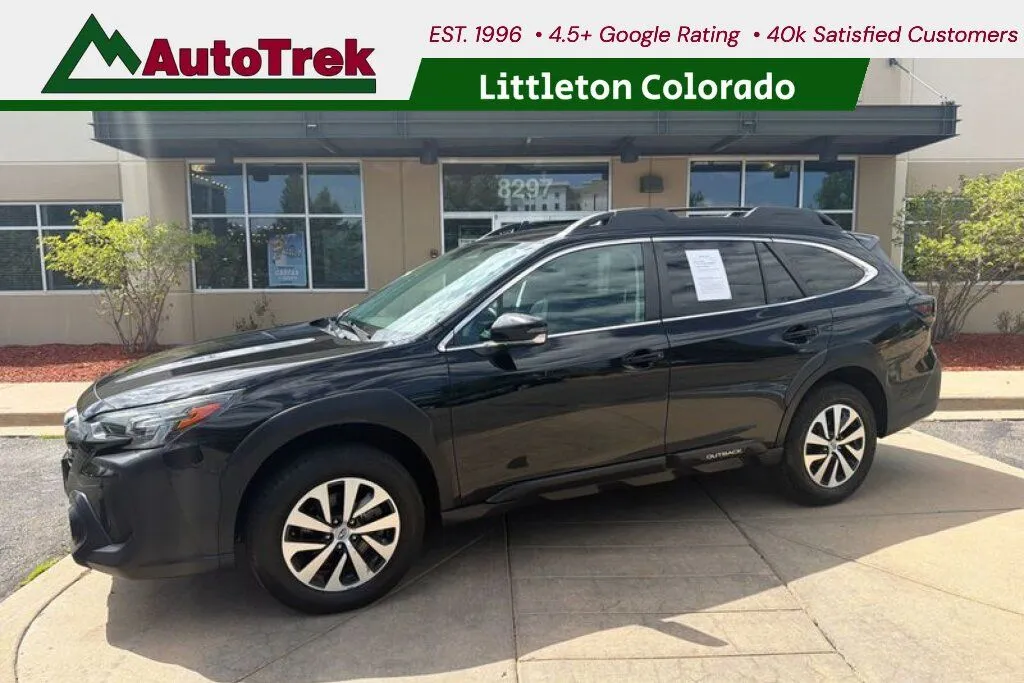
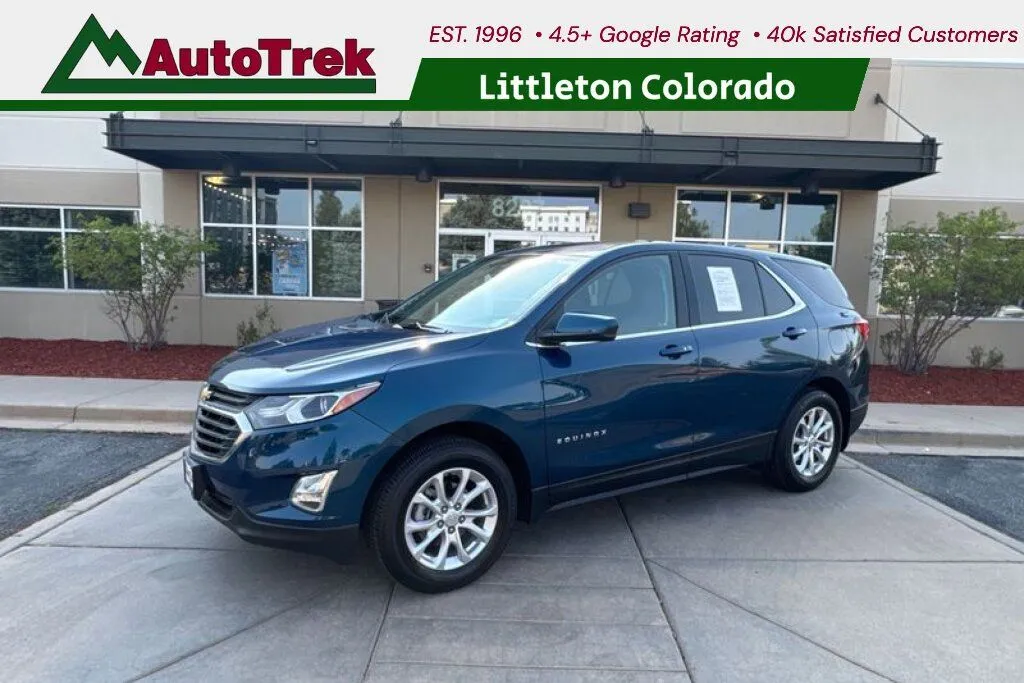
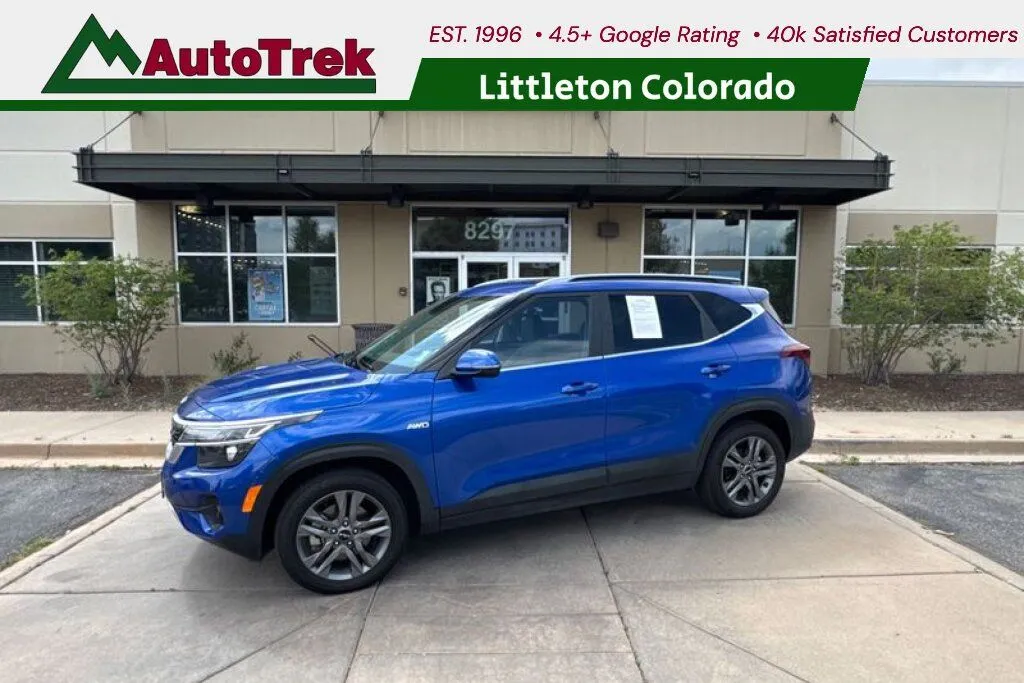
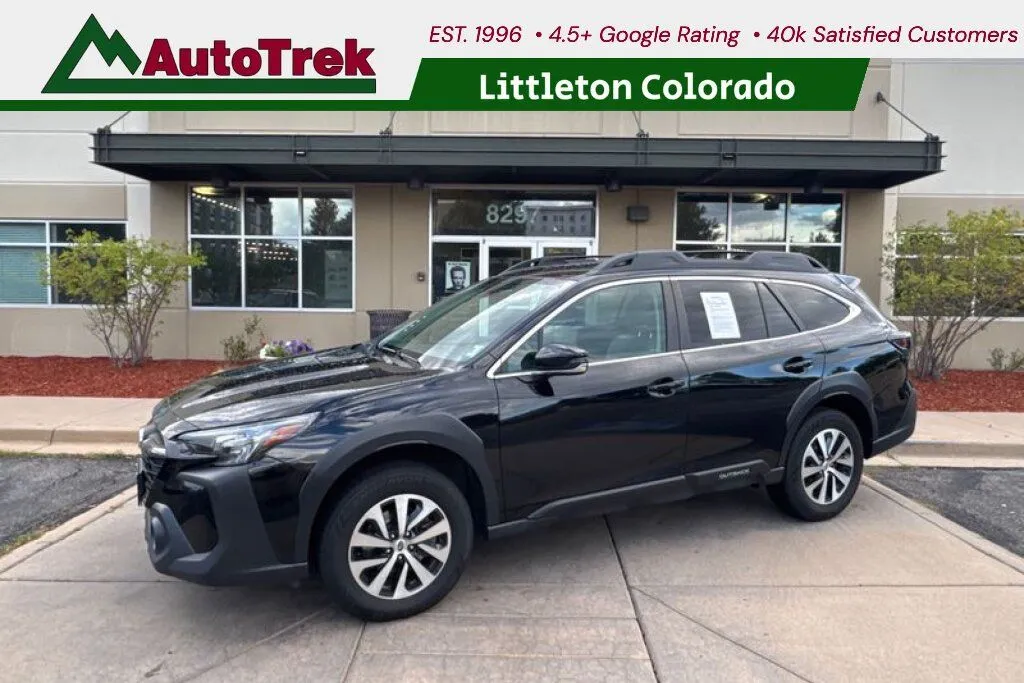
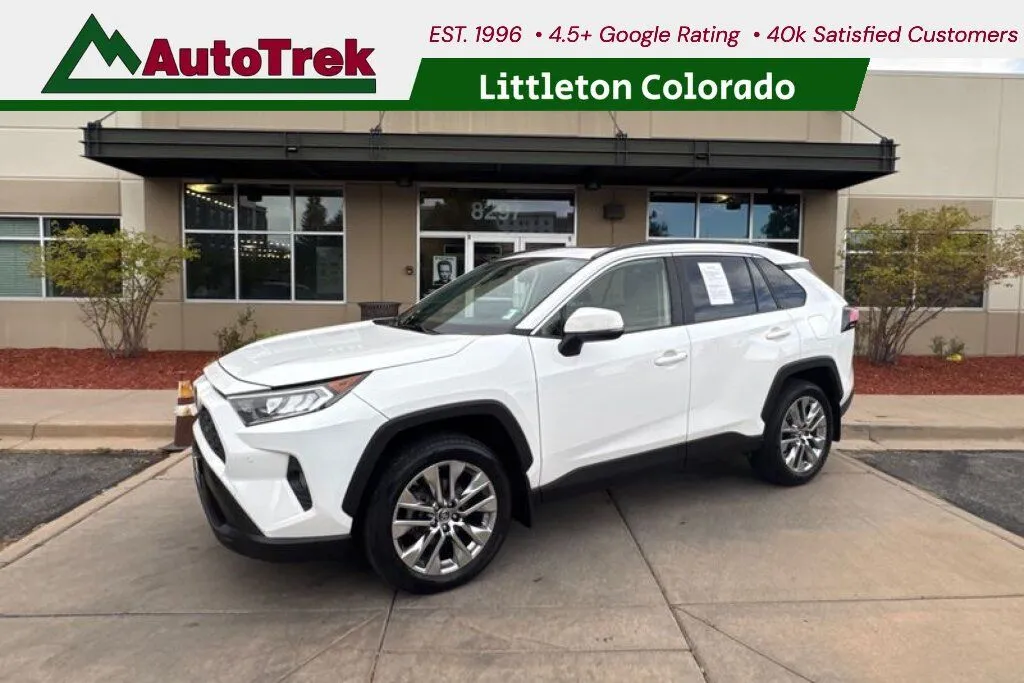
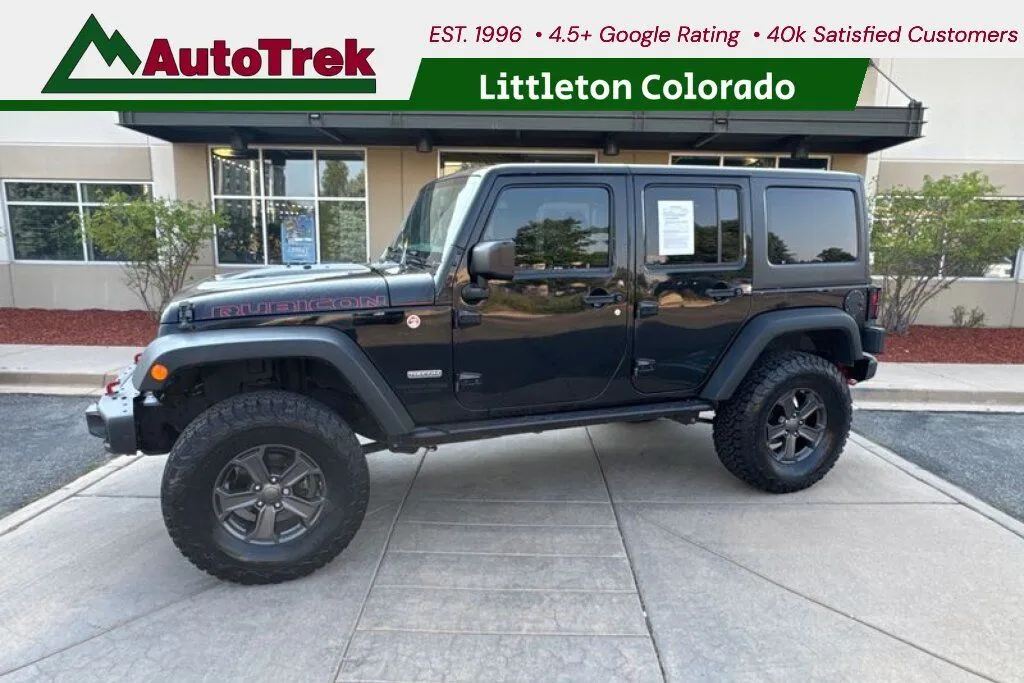
Planning on buying a used SUV or car? A used car lot in Littleton holds two vehicles that look nearly identical. Same model year, similar mileage, comparable condition, and yet one carries a certification badge and a higher price. Colorado shoppers run into this pairing constantly, and the gap between the two window stickers rarely comes with a clear explanation attached. That gap sits at the center of the certified used cars vs used debate, and the answer changes depending on the buyer. Both options make sense for the right person under the right conditions.
So which one fits your situation? Let's walk through what really separates them.
What Certification Adds to a Used Vehicle
Every certified vehicle on a dealership lot is a used vehicle, though the reverse never holds true. A standard used car arrives on the lot, gets cleaned up, and goes on sale in whatever condition it happened to show up in. Certification adds three specific things on top of that process. The vehicle has to meet defined eligibility rules covering age, mileage, and history before anyone considers it. It then goes through a structured inspection against a published standard, with reconditioning work performed on anything falling short. Finally, a written warranty attaches to the sale and travels with the car.
That last piece carries the real weight, since a promise about condition means very little without documentation standing behind it. Certification programs come in more than one form, and the differences between them affect coverage far more than most shoppers expect. Some are run by vehicle manufacturers, others by dealer associations, and a few exist only as a single store's word. Knowing which one sits in front of you changes the entire evaluation.
Inside a Manufacturer Backed CPO Program
Factory certified pre-owned programs set the strictest entry requirements in the used market. A candidate vehicle usually has to fall within five to six model years and carry under sixty thousand to eighty thousand miles, though limits vary by brand. Inspections typically run between one hundred and two hundred individual checkpoints, performed by technicians trained on that specific make. Anything failing the standard gets repaired or replaced before the vehicle earns its designation. Coverage then extends the original factory warranty, and programs often add roadside assistance, loaner vehicles, and discounted financing rates.
The results hold up under scrutiny, and Consumer Reports analysis found that certified vehicles show roughly fourteen percent fewer problems than other used cars. One structural limitation comes with the territory. Factory programs operate exclusively through that manufacturer's own franchise network, so a brand certified vehicle is available only at a store selling that brand new. Shoppers wanting variety across several makes have to look elsewhere for equivalent protection.
Association Certification Fills the Gap Between Them
A third option sits between factory programs and ordinary used inventory, and plenty of shoppers have never heard of it. Independent dealers can certify vehicles through their state trade association, which sets the inspection standard and administers the warranty across a shared network. In Colorado that role belongs to the Colorado Independent Automobile Dealer Association, an organization established in 1941 and the only trade association in the state representing independent used vehicle dealers. Its certification network spans more than a thousand dealer partners across Colorado.
Coverage under association certification typically includes a limited powertrain warranty running one year or twelve thousand miles, which stands comparable to the limited warranty terms several factory programs advertise. Programs at this level commonly add a clean title guarantee, a vehicle history report supplied at no cost, and nationwide roadside assistance. The practical advantage is range, since an independent lot carries multiple brands rather than one. A buyer comparing several makes can stay protected without visiting four separate franchise stores.
What You Pay for the Certified Badge
Certified vehicles cost more than comparable non-certified ones, and the size of that gap depends entirely on which study you read. Kelley Blue Book has estimated the certified premium at roughly one and eight tenths of a percent. A Cars.com analysis covering more than six hundred seventy thousand late model vehicles found certified examples advertised at an average of thirty thousand six hundred fifty dollars against twenty nine thousand four hundred forty four dollars for the same models without certification, a difference of about twelve hundred dollars. Industry figures for 2026 place the typical premium anywhere from seventeen hundred dollars up to four thousand dollars.
The honest counterpoint deserves airtime here. That premium rarely returns to you at resale, since a certified car and its non-certified twin fetch similar money three years down the road. The spend justifies itself only when the warranty absorbs a repair you would otherwise fund yourself. A single transmission or engine claim clears that bar comfortably, though nobody can promise one arrives.
Colorado Gives Buyers Fewer Protections Than You Expect
Colorado's Auto Industry Division states the rules with unusual directness, and the picture surprises most first time buyers here. There is no seventy two hour window to change your mind, and a vehicle is bought and sold as of the contract date. A dealer carries no obligation to repair a vehicle sold without a warranty on an as is basis, with safety items standing as the lone exception. Verbal agreements hold no legal weight either, and buyers receive a state disclosure form confirming exactly that.
One meaningful protection does exist, and it concerns emissions rather than mechanical condition. A test is required whenever a vehicle changes ownership, and the dealer must repair or repurchase a vehicle that fails, provided the buyer returns it within three days of purchase. Beyond that narrow provision, the written warranty attached to your paperwork represents the whole of your coverage. In a state structured this way, certification stops being a luxury and starts looking practical.
Read the Coverage Before You Sign the Paperwork
The badge on a windshield tells you little on its own, so the paperwork behind it deserves your attention. Start with the warranty document and confirm which components fall under coverage, how long the term runs, and how many miles it allows. Check who administers the claims as well, since a program backed by a manufacturer or a statewide association travels with the vehicle. A single store's private promise generally stops at that store's door. Reading those terms takes a few minutes and settles most questions on the spot.
Documentation covers the rest of the picture. A completed inspection report in writing carries far more weight than a verbal summary of the results. A vehicle history report confirms the ownership record, and the title should show no salvage, flood, or rebuilt branding. Federal rules also require a Buyers Guide posted on every used vehicle, showing whether the sale includes a warranty or proceeds as is.
See the Difference Parked Side by Side
The choice comes down to two personal factors rather than a universal winner. How long you plan to keep the vehicle sets the value of any warranty term, and your tolerance for an unplanned repair bill decides whether the premium buys something you actually need. Answer those two honestly and the right column on the lot becomes obvious well before you sign anything.
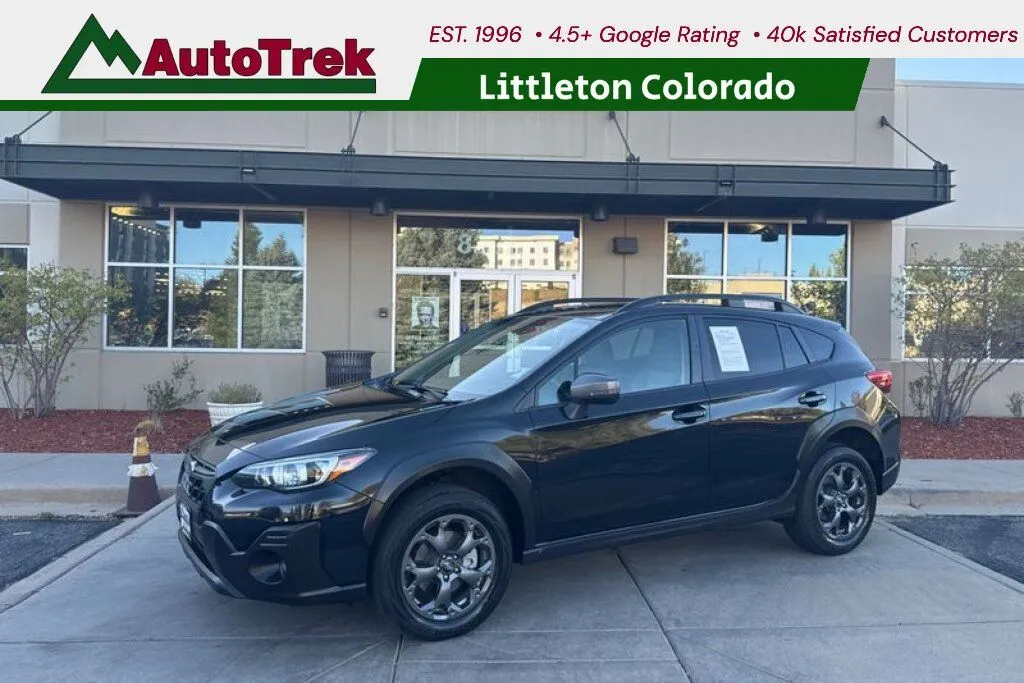
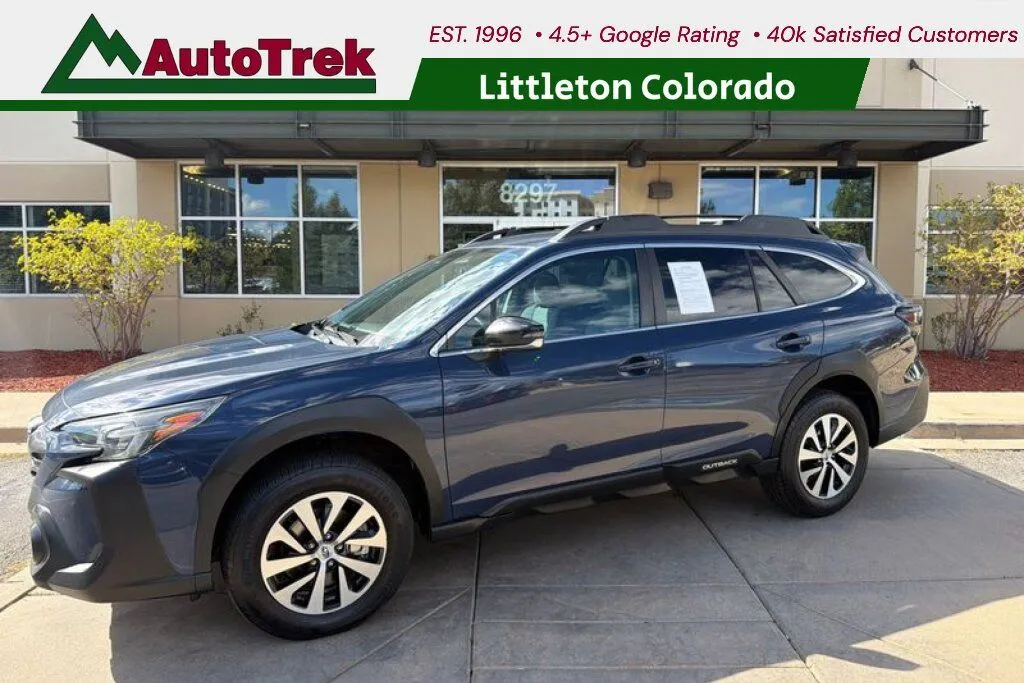
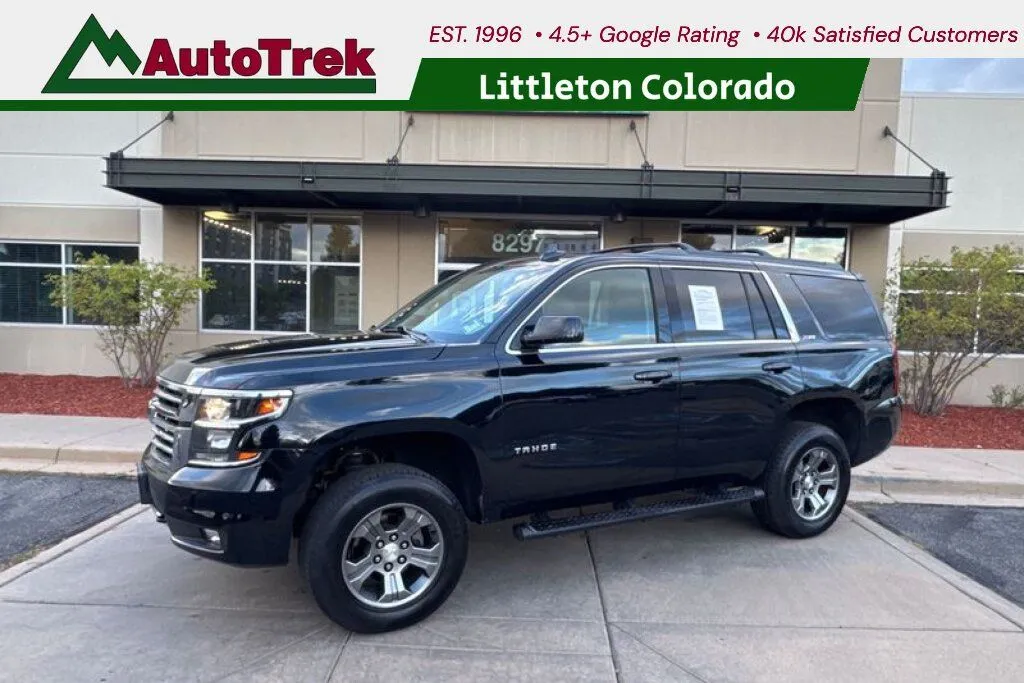
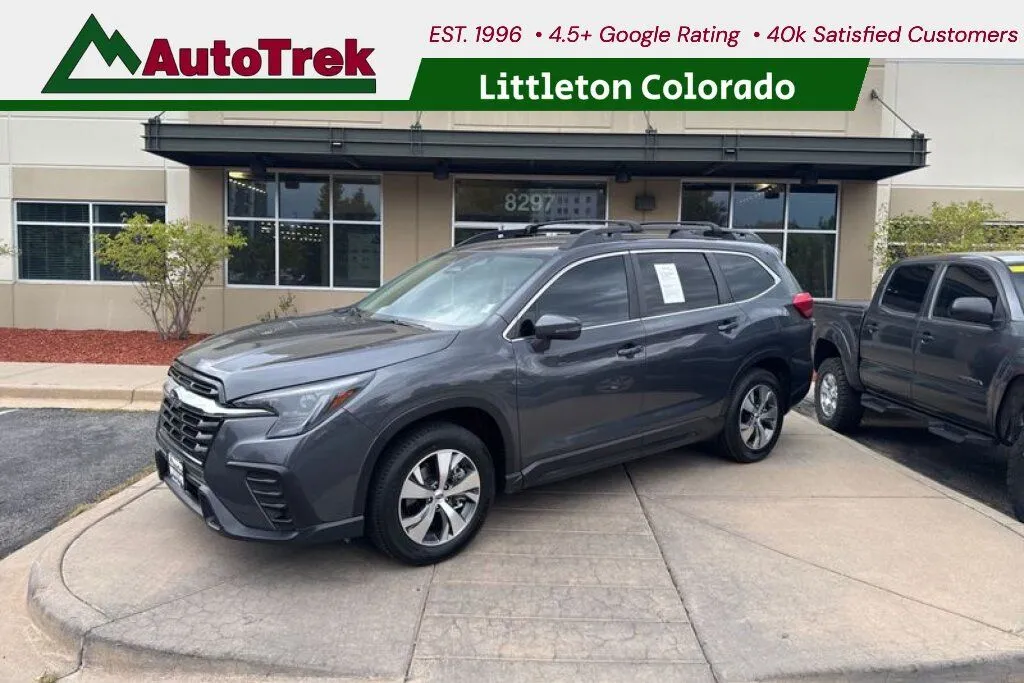
We have sold and serviced vehicles in Littleton since 1996, and our CIADA Certified Pre-Owned inventory carries a Worry Free Limited Powertrain Warranty good for one year or twelve thousand miles. Every certified vehicle arrives with a clean title guarantee, a complimentary CARFAX report, and nationwide roadside assistance. Our non-certified inventory sits on the same lot, so you can compare both against each other in a single visit rather than driving across town. More than twenty Colorado credit unions send their members to us for financing, and our broker service can locate a specific vehicle when our lot does not have it.
Look for the CIADA Certified logo while you browse our inventory online, or stop by our Southpark Circle showroom and let our team walk you through both options side by side.
Frequently Asked Questions
Is a certified pre-owned car worth the extra cost?
Can an independent dealership sell certified vehicles?
Can I return a used car in Colorado if it has problems?