
Buying A Used SUV In Littleton, CO: What Local Families Should Know
Quick Summary
Used listings now average around twenty seven thousand dollars nationally, with compact SUVs closer to thirty seven thousand and used loan rates near eleven and a half percent. Colorado adds local requirements, since traction law compliance depends on tread depth of three sixteenths of an inch rather than all-wheel drive alone, and sellers owe buyers an emissions certificate or voucher at the point of sale. Magnesium chloride corrosion makes an underside check the first priority on any Front Range SUV. Proven family models hold their reputation well, though individual model years carry specific weaknesses worth verifying.
Littleton sits ten miles south of Denver with the foothills close enough to reach on a whim. That geography shapes what a family vehicle has to handle here, from school runs along Santa Fe Drive to snow on the way up I-70. An SUV covers all of it, which explains the shape of the local market. Buying a used SUV in this corner of Colorado brings a few local rules and hazards that national advice tends to skip.
So what should a Littleton family check first? Here's where to start.
What A Used SUV Costs in Today's Market
The used vehicle market has stayed expensive, and current numbers keep your expectations grounded before you start shopping. The average used listing price across the country reached roughly twenty seven thousand dollars this year, up about six percent from a year earlier. Compact SUVs average closer to thirty seven thousand dollars, since the segment carries strong demand and buyers keep choosing larger vehicles. Anything under fifteen thousand dollars moves quickly, with dealers holding about a month of supply in that range.
Financing shapes the real cost as much as the sticker. The average used car loan carries an interest rate near eleven and a half percent, producing a payment around five hundred thirty dollars across a term close to sixty eight months. Trade-in equity deserves attention too, since nearly thirty percent of trade-ins now come in underwater by an average of almost seven thousand dollars. Running those numbers early saves a difficult conversation later on.
Colorado's Traction Law Changes Which SUV You Should Buy
Colorado activates a Passenger Vehicle Traction Law automatically from September through May on Interstate 70 between Morrison and Dotsero, and the Department of Transportation can apply it to any state highway when conditions turn. Compliance here rests on two things working together rather than drive type alone. An all-wheel drive or four-wheel drive SUV satisfies the law when its tires carry a mud and snow marking, a mountain snowflake symbol, or a manufacturer all-weather rating, with at least three sixteenths of an inch of tread left. Worn tires leave an all-wheel drive vehicle out of compliance and facing a fine. Buyers often focus on the badge and skip the rubber, which is a costly habit in a state where storms close lanes with little notice. Checking tread depth on any used SUV you consider tells you whether it is ready for winter or needs a set of tires right away.
The Emissions Certificate Your Seller Owes You
Colorado requires an emissions test whenever a vehicle changes ownership, and the obligation sits with the seller rather than with the buyer. Sellers must hand over either a current emissions inspection certificate or an inspection voucher at the moment of sale, which is a detail plenty of private sellers never think to mention. The test itself costs thirty five dollars for gasoline vehicles from model year 1982 forward, and twenty dollars for anything older. Vehicles registered in Arapahoe, Jefferson, and Douglas counties fall inside the program area, so a Littleton address puts you under the requirement regardless of which county line your street sits on. Newer vehicles carry a seven model year exemption, and fully electric vehicles stay exempt on a permanent basis. Asking about the certificate early in the conversation prevents a failed test from becoming your repair bill after the paperwork is signed.
Check Underneath Before You Check the Infotainment
The dry Colorado climate creates a false sense of safety around rust, and vehicles here face a corrosion problem that coastal states never encounter in quite the same form. Road crews across the Front Range treat highways with magnesium chloride, a liquid de-icer that pulls moisture from the air and holds it against bare metal. That chemistry attacks brake lines, fuel lines, exhaust components, suspension parts, and the frame itself, and the liquid form reaches seams that solid salt never touches. A ten year old SUV wearing flawless paint can still carry serious corrosion three feet below the dashboard you were just admiring. So the first thing to examine on any used SUV in this market is the underside, ideally with the vehicle raised on a lift. Touchscreens and heated seats deserve a close look afterward, once you know the structure holding all of it together is sound and solid.
Used SUVs That Hold Up for Front Range Families
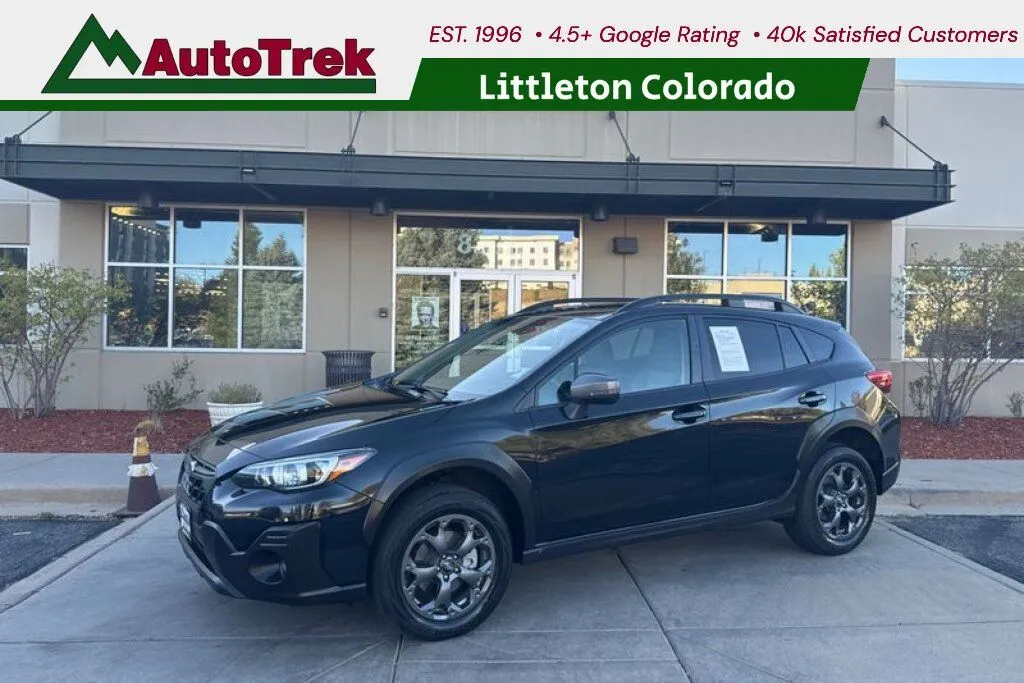
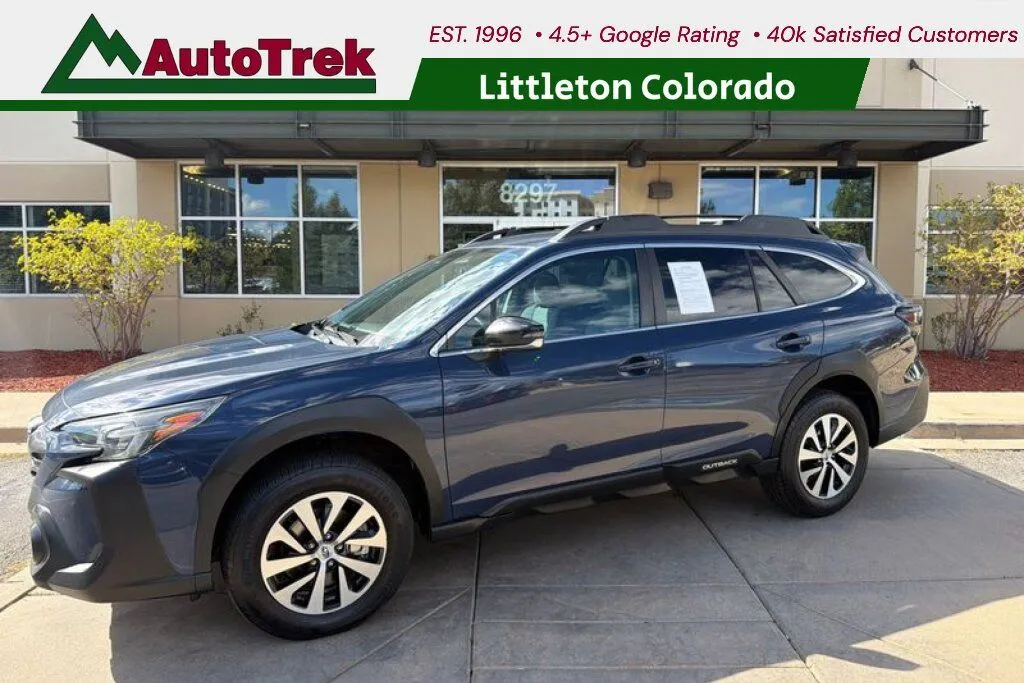
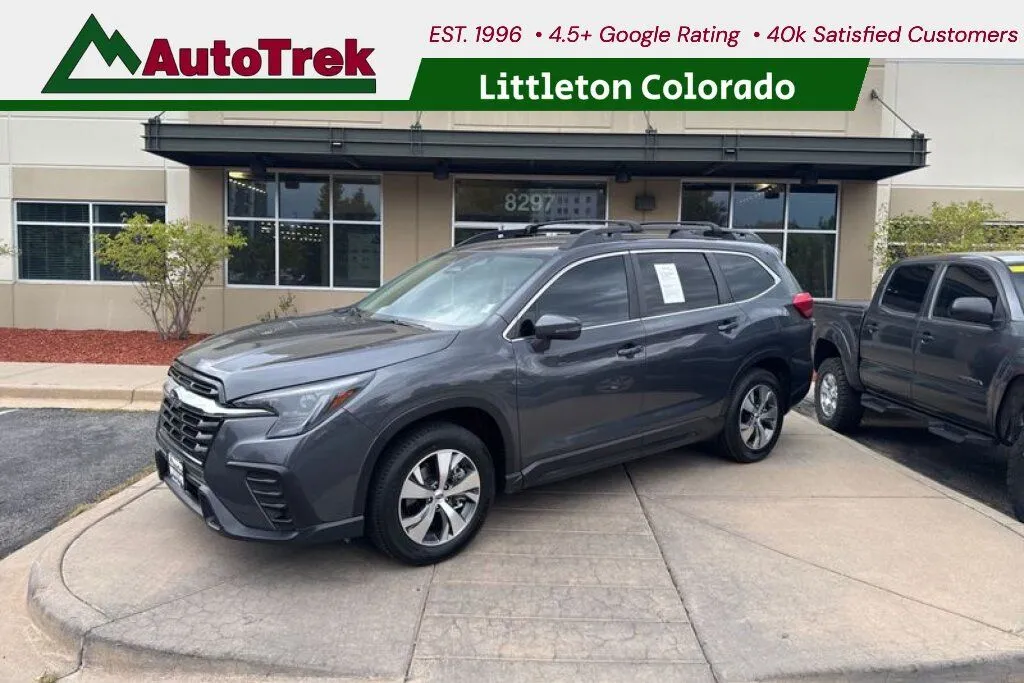
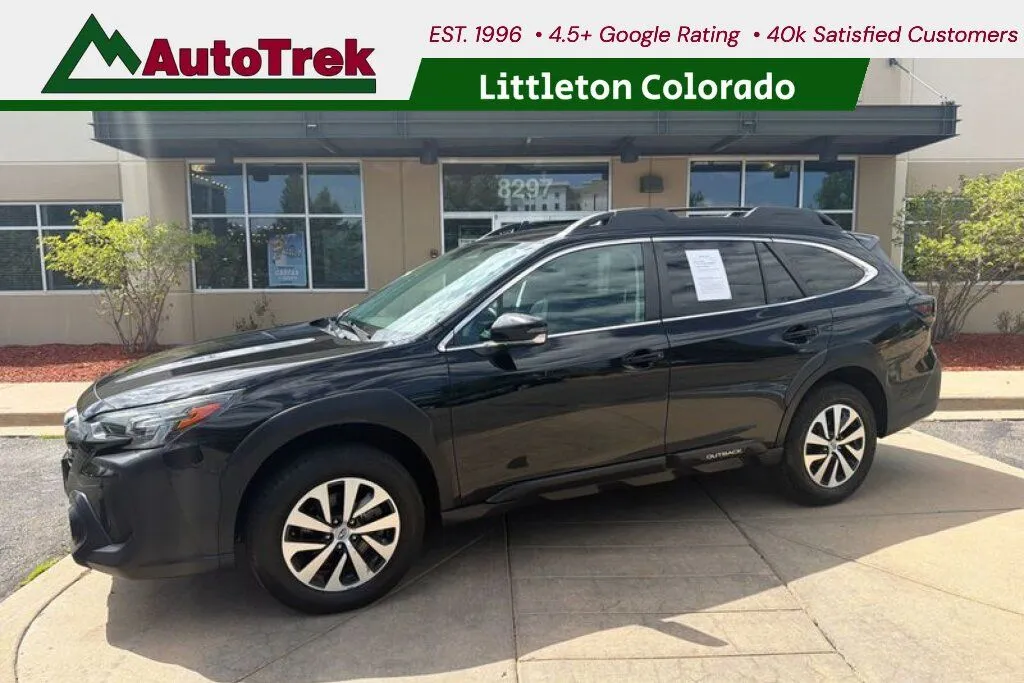
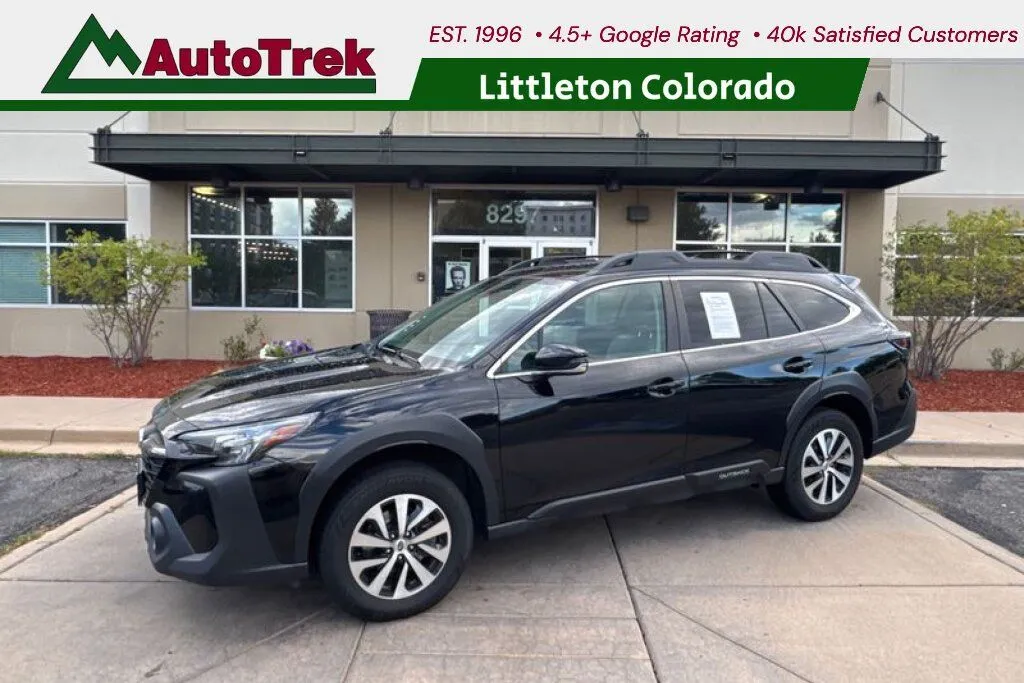
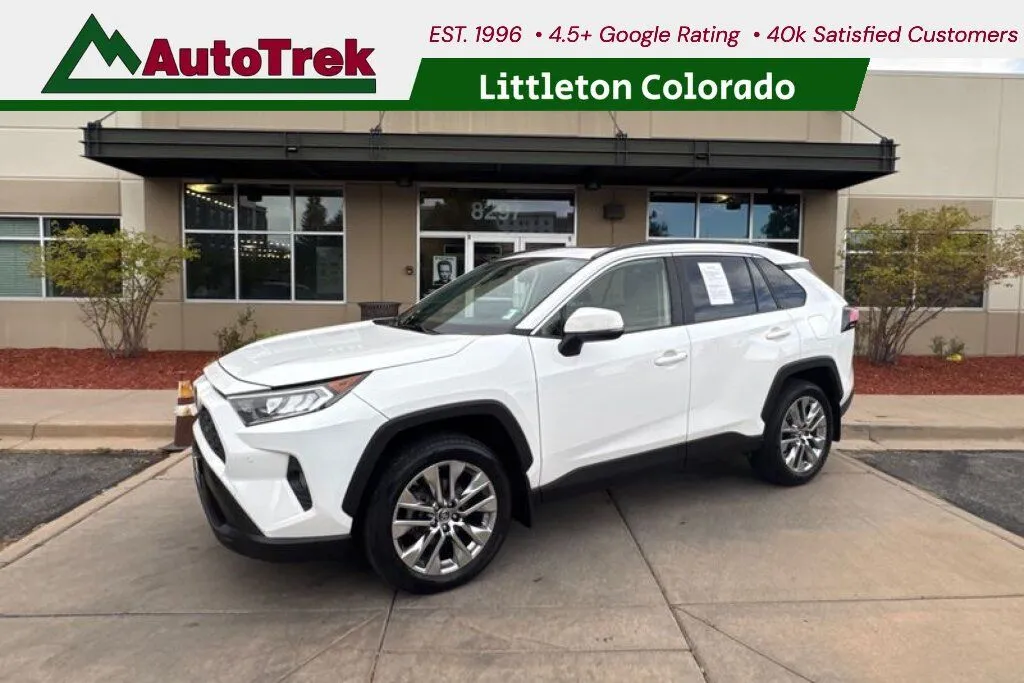
Reliability rankings circle the same names year after year, and the pattern holds up well for Colorado families. The Toyota RAV4, Honda CR-V, Mazda CX-5, and Subaru Forester appear repeatedly among the most dependable used compact SUVs, with the Forester offering all-wheel drive as standard equipment. Families needing a third row often land on the Subaru Ascent or the Honda Pilot, and the Ascent adds a 5000 pound towing capacity along with seating for eight. The Subaru Outback earns a mention for anyone splitting time between pavement and forest roads.
Reputation alone should never close the deal, since specific model years carry specific weaknesses. Certain Subaru boxer engines have drawn head gasket complaints, and some 2019 and 2020 models showed transmission hesitation. Those reports stay rare, though they illustrate the value of checking the individual vehicle rather than trusting the badge. A pre-purchase inspection settles the question in under an hour of shop time.
Your Next Family SUV Is Closer Than You Think
A used SUV in Colorado has a harder job than the same vehicle parked in a milder state. Winter roads, mountain grades, and de-icing chemicals all leave marks, and the right vehicle handles them for years without complaint. Shopping with those conditions in mind puts you ahead of most buyers on the lot.
We have served Littleton families since 1996, and our lot carries used SUVs chosen with Colorado weather in view. Every vehicle is inspected before it goes up for sale, and our CIADA Certified Pre-Owned selection arrives with a three day return policy and a three month, three thousand mile warranty. More than twenty Colorado credit unions send their members our way for financing. If the exact SUV you want is not on our lot, our broker service can locate it for you.
Browse our SUV inventory online or stop by our Littleton showroom, and we will help you find the right fit.
Frequently Asked Questions
Does all-wheel drive make an SUV traction law compliant?
Who pays for the emissions test when buying a used SUV in Colorado?
How much should a Littleton family budget for a used SUV?