
Blog
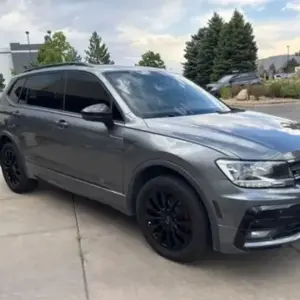
VW Tiguan Specs Explained: Engine, Dimensions, And Features
The VW Tiguan combines practical dimensions, spacious seating, cargo capacity, and available 4Motion all-wheel drive, making it a versatile compact SUV. Understanding its engine performance, exterior size, passenger room, cargo space, and key features can help buyers determine if it suits their needs.
Read more
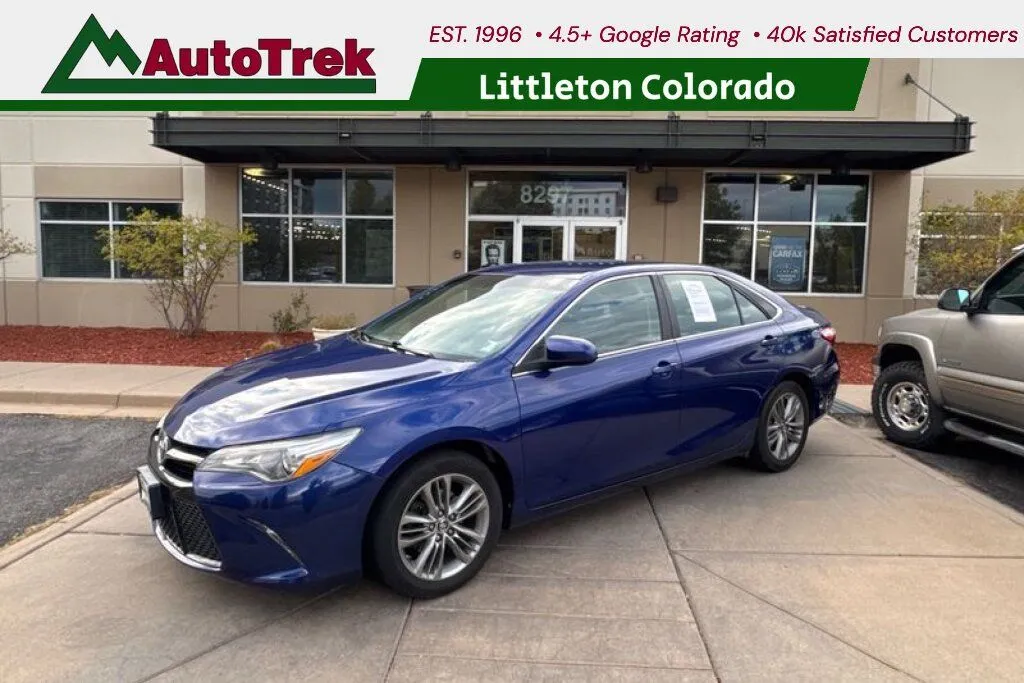
Toyota Corolla Vs. Camry: Which Sedan Is More Reliable For City Driving?
The Toyota Corolla and Camry both offer dependable performance, but their differences in size, power, and fuel economy can affect everyday driving. Comparing their engine options, city fuel efficiency, reliability, and overall practicality can help buyers decide which sedan better fits their needs.
Read more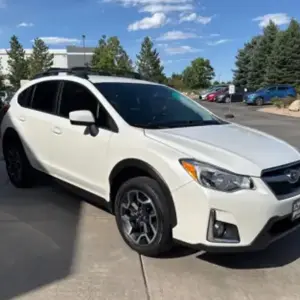
Should You Buy A Subaru Crosstrek? Pros And Cons Explained
The best Jeep Wrangler years can offer a strong combination of reliability, off-road capability, features, and value for Colorado buyers. Model years vary across generations, so understanding their strengths and common problems can make shopping easier.
Read more
Car Maintenance Schedule: What Owners Need To Know
A consistent car maintenance schedule helps prevent premature wear, identify problems early, and keep a vehicle safe and reliable. Routine services such as oil changes, tire rotations, brake inspections, fluid checks, filter replacements, and major mileage-based maintenance all play an important role in extending vehicle life and reducing unexpected repair costs.
Read more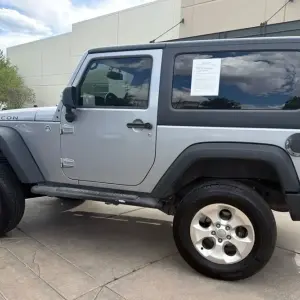
Buying A Used Jeep Wrangler In Lakewood, CO Dealerships: The Best Years Worth Buying
The best Jeep Wrangler years can offer a strong combination of reliability, off-road capability, features, and value for Colorado buyers. Model years vary across generations, so understanding their strengths and common problems can make shopping easier.
Read more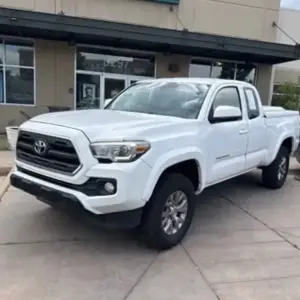
Toyota Tacoma Color Options: Which One Fits Your Personality?
Tacoma paint sorts into three broad families. Grayscale shades like Black, Underground, Celestial Silver Metallic, Ice Cap, and Wind Chill Pearl suit understated drivers, while earth tones such as Bronze Oxide, Mudbath, Quicksand, Army Green, and Lunar Rock speak to outdoor use.
Read more
The Importance Of Vehicle Safety Inspection When Buying A Used Car
Colorado requires no routine safety inspection, so responsibility for confirming a used vehicle is roadworthy sits entirely with the buyer. A pre-purchase inspection puts the car on a lift and reviews structure, brakes, suspension, steering, electrical systems, and stored fault codes in roughly forty five to sixty minutes.
Read more
How Much Does A Multi-Point Car Inspection Cost?
A multi-point inspection costs fifty to one hundred fifty dollars at most shops, and often nothing when bundled with an oil change or scheduled service. A pre-purchase inspection runs one hundred to two hundred fifty dollars since it goes considerably deeper, while Colorado emissions testing is a separate legal requirement at thirty five dollars for gasoline vehicles from 1982 forward.
Read more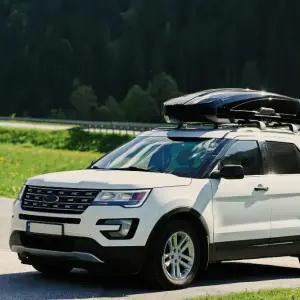
Buying A Used SUV In Littleton, CO: What Local Families Should Know
Used listings now average around twenty seven thousand dollars nationally, with compact SUVs closer to thirty seven thousand and used loan rates near eleven and a half percent. Colorado adds local requirements, since traction law compliance depends on tread depth of three sixteenths of an inch rather than all-wheel drive alone, and sellers owe buyers an emissions certificate or voucher at the point of sale.
Read more
Buying A Car From Littleton, CO Dealerships: Should You Choose Certified Pre-Owned Or Used Cars?
Certification adds three things to a used vehicle, which are eligibility limits, a structured inspection, and a written warranty attached to the sale. Factory programs set the tightest standards with inspections of one hundred to two hundred points, though they operate only through that brand's franchise network.
Read more