
How To Buy A Reliable Used BMW
A used BMW can be a dream car or a rolling money pit, and the difference comes down to how you pick, check, and protect the one you bring home. Get the process right and you gain sharp handling, a premium cabin, and strong performance for far less than new car money. Rush the hunt and you could inherit someone else’s deferred maintenance and repair bills.
The good news is that reliability is not just luck. With the right homework, inspections, and paperwork, many used BMWs for sale deliver years of satisfying, drama-free driving. This guide walks through what to choose, what to avoid, and how to stack the odds in your favor.
Start with the Right BMW for You
Before searching listings, get clear on how you actually drive. A 3 Series daily commuter, an X3 family hauler, and an M car weekend toy all live very different lives and carry different ownership costs. Matching the model to your real-world habits is the first step toward reliability.
If you rack up highway miles and care most about comfort and fuel use, a four-cylinder 3 Series or 5 Series can be a smarter bet than a thirsty V8 performance model. If you need space and all-weather traction, an X3 or X5 might fit, but know that bigger, heavier SUVs often wear through brakes, suspension, and tires faster.
Set a Smart Budget (Beyond the Sticker)
Buying a used luxury car is not just about the purchase price. Routine services, wear items, and unexpected repairs cost more on a BMW than on many economy brands, thanks to complex engineering and premium parts. That does not mean they are fragile, but it does mean the budget needs breathing room.
A common approach is to keep a maintenance and repair fund aside, especially once the car is outside any factory or extended coverage. Research typical service intervals, fluid changes, and major items like brakes or cooling components for the specific model you want so you are not surprised six months into ownership.
Learn the Common Issues for Your Target Model
Every generation has its patterns. Some BMW engines have known timing chain concerns, others show recurring fuel pump or cooling system issues, and many can develop intermittent electronic or iDrive glitches as they age. Knowing the likely trouble spots before test driving helps you ask sharper questions and focus your inspection.
Owner forums, buyer’s guides, and reliability writeups often list the usual suspects for popular models like the BMW 5 Series and 3 Series. Watch for themes: repeated mentions of oil leaks, coolant leaks, or specific sensor failures are your signal to verify repairs, look for updated parts, or move on to a better example.
Prioritize Service History and Care
For a used BMW, how it has been treated often matters more than how many miles it has. A higher-mileage car with consistent, documented maintenance can be a better buy than a low-mileage garage queen with spotty records. Regular oil changes, coolant and brake fluid service, and timely replacement of wear items keep complex systems happy.
Ask for records that show where and when the car was serviced, and match them against the manufacturer’s recommendations. Gaps of several years or big mileage jumps with no paperwork are usually a reason to walk, no matter how shiny the paint looks or how tempting the price appears.
Always Get a Pre-purchase Inspection
A pre-purchase inspection by a BMW specialist might be the best money you spend in the whole process. A trained tech knows common leak points, can scan for hidden codes, check suspension wear, inspect the cooling system, and spot accident repairs or rust in places an untrained eye would miss.
Plan to have any promising car put on a lift before you commit. Ask for photos or a written report that covers engine, transmission, underbody, brakes, electronics, and any signs of previous bodywork. If the seller refuses to allow an independent inspection, treat that as a warning and keep shopping.
Consider Certified Pre-owned for Added Protection
Certified pre-owned BMWs cost more than regular used examples, but they bring structure and protection that can pay off. To qualify, cars must be relatively new, under a strict mileage cap, and pass a detailed multi-point inspection by factory-trained technicians, with any needed repairs completed using genuine parts.
CPO BMWs typically include extended limited warranty coverage beyond the original new car warranty, along with benefits such as roadside assistance and a vetted vehicle history. For buyers who value peace of mind and plan to keep the car for several years, that blend of near-new condition and built-in support can justify the higher entry price.
Inspect What You Can Yourself
Even before paying for an inspection, you can learn a lot with your own eyes and hands. Walk around the car in good light and look for mismatched paint, uneven panel gaps, hazy headlamps, or overspray that hints at past accidents. Check the tires for even wear and adequate tread, since choppy or uneven patterns suggest alignment or suspension issues.
Inside, test every switch, window, seat adjustment, and infotainment function. BMW interiors usually wear well, so heavily worn seats, sticky buttons, or sagging trim on a supposedly low-mileage car should prompt questions. During the test drive, listen for clunks over bumps, watch for warning lights, and pay attention to transmission shifts, steering feel, and braking smoothness.
Choose CIADA Certified at AutoTrek
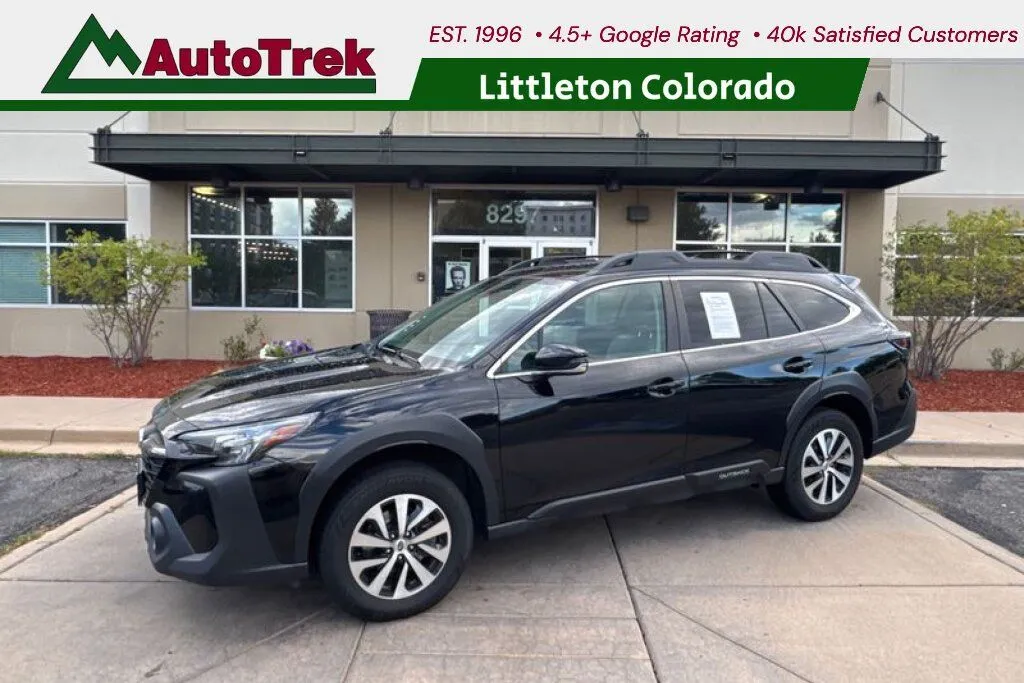
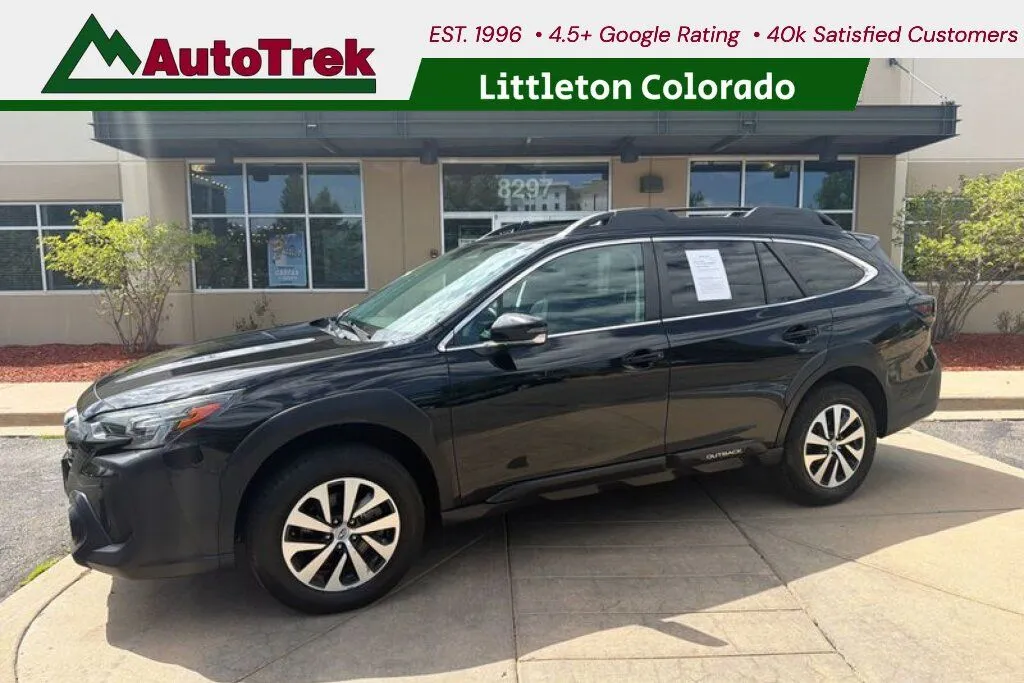
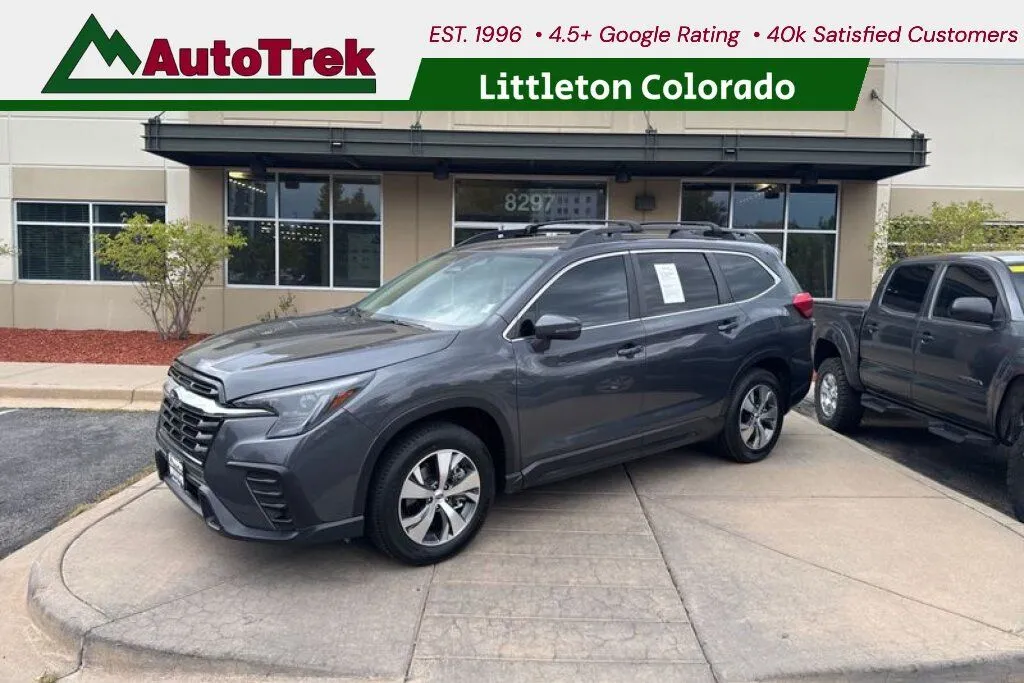
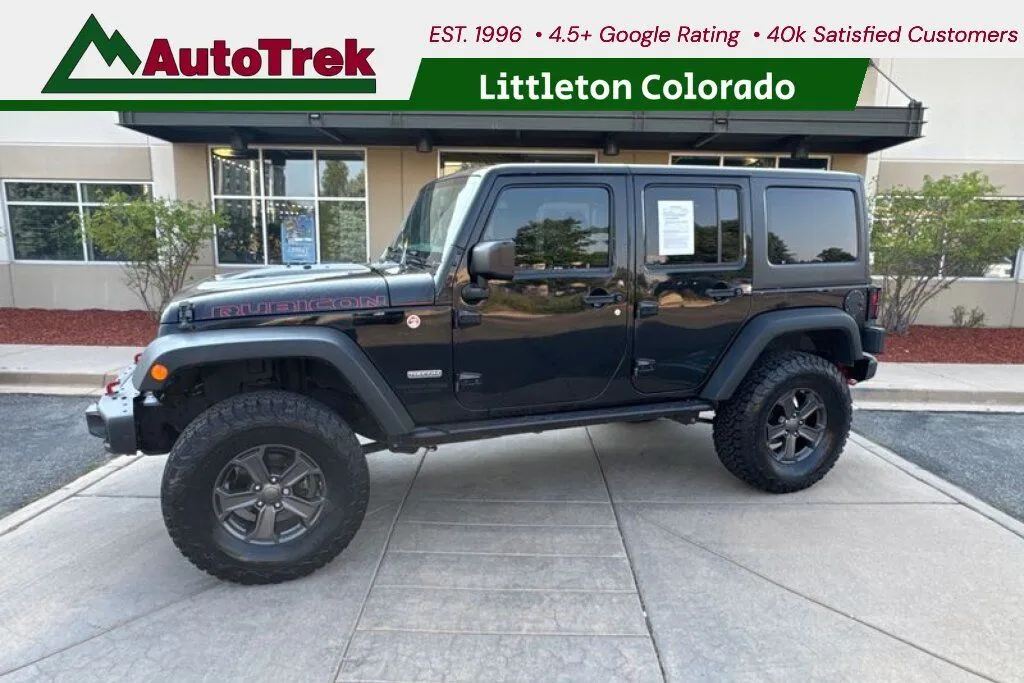
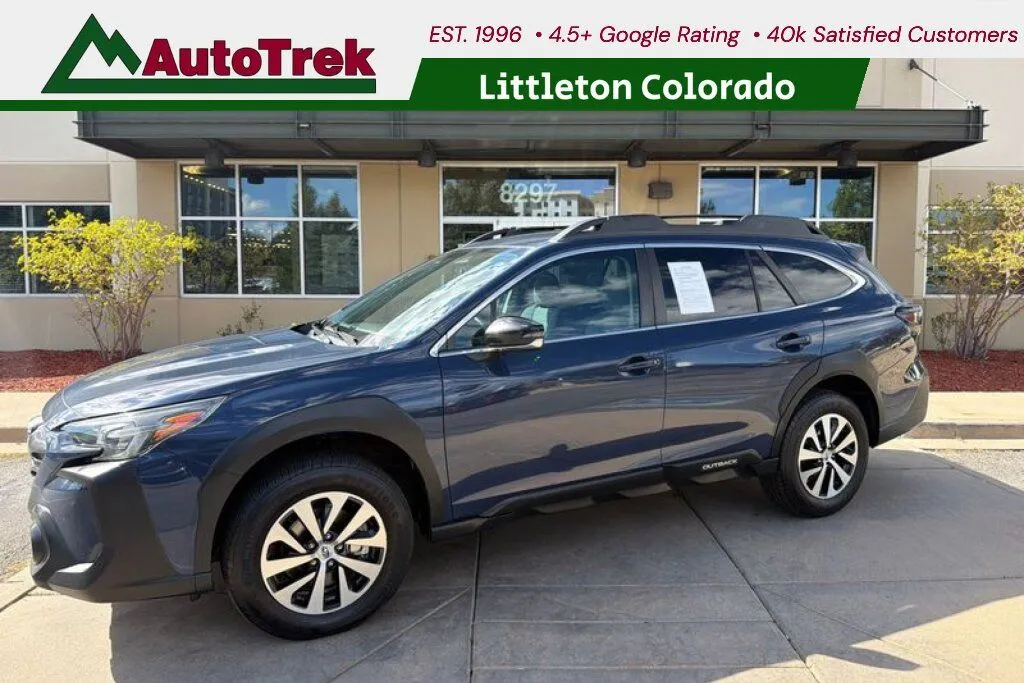
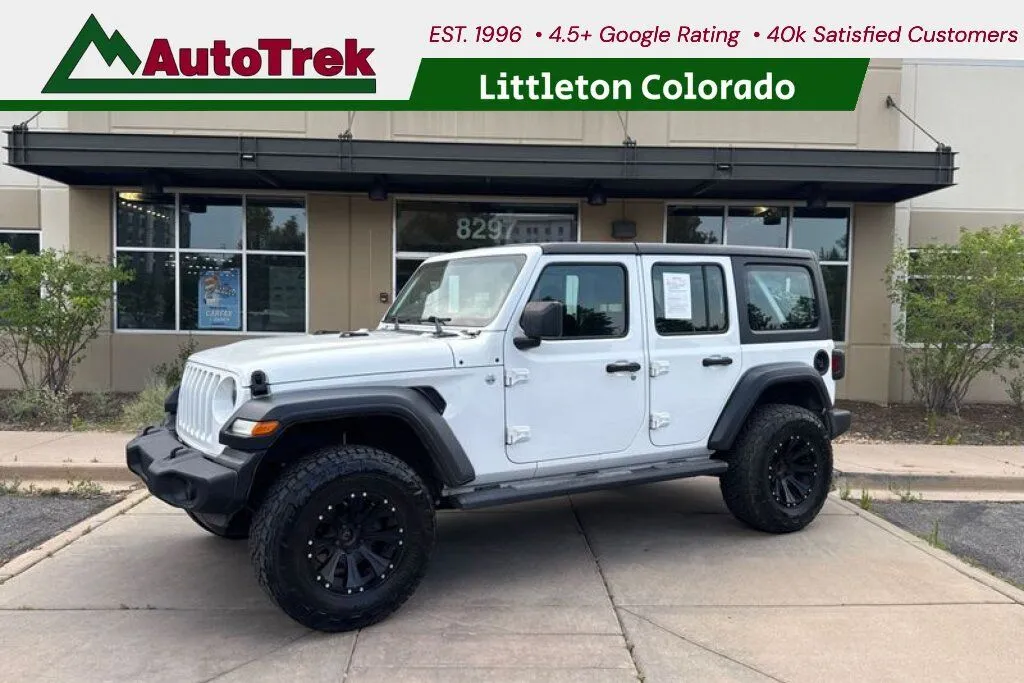
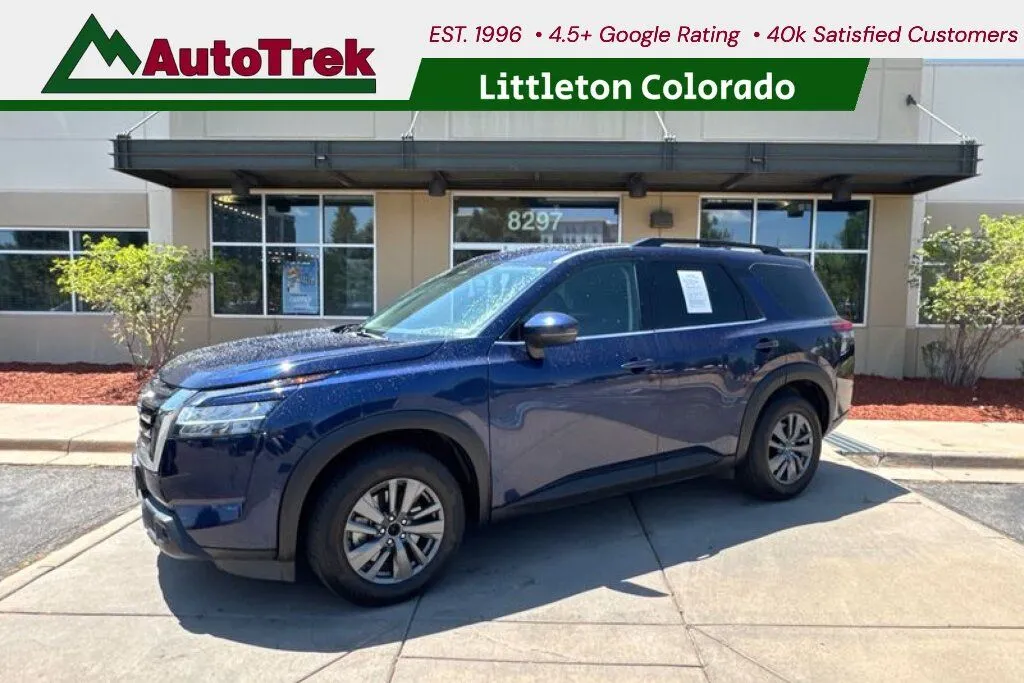
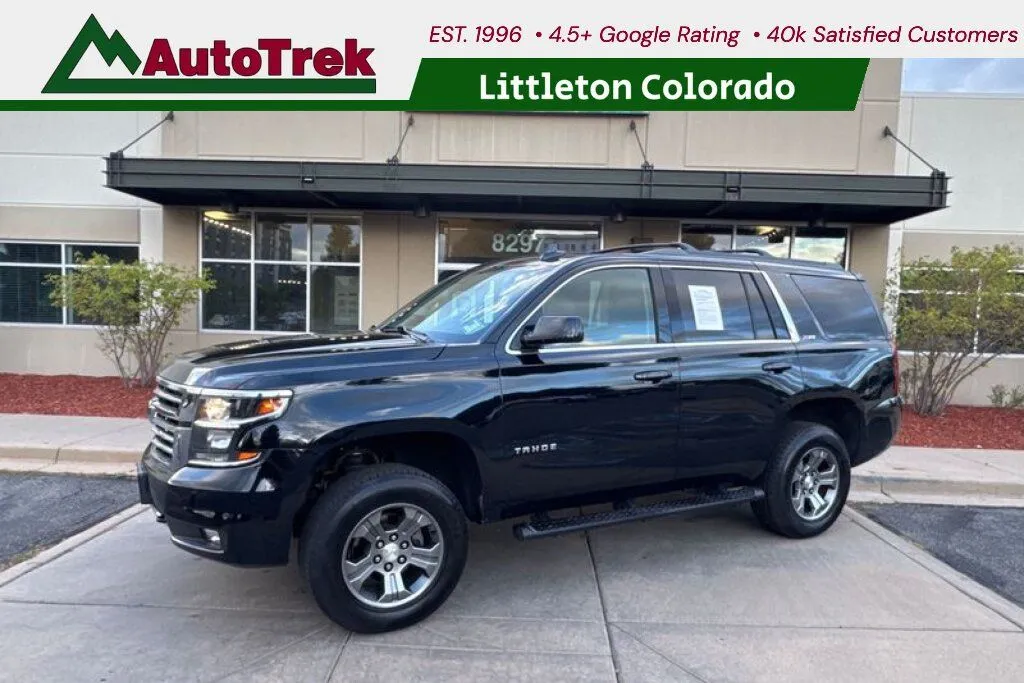
Want a used car that comes with extra backup from day one? At AutoTrek, we offer CIADA Certified Pre-Owned vehicles in Littleton, CO that are inspected, protected, and ready for real life. Each qualifying vehicle is backed by the Colorado Independent Automobile Dealer Association and its large network of dealer partners, so you are not buying in the dark.
You get a clean title guarantee, a free CARFAX history report, and a limited powertrain warranty for 1 year or 12,000 miles, plus nationwide roadside assistance for added confidence on every trip. When you pick a CIADA Certified vehicle