
Jeep Wrangler vs Ford Bronco: Which Off-Road SUV Is Better for Daily Driving?
Quick Summary
The Jeep Wrangler and Ford Bronco both offer strong off-road capability, open-air appeal, and confident four-wheel-drive performance, but they fit daily life differently. Bronco often feels more comfortable and practical for commuting, cargo needs, and regular pavement driving, while Wrangler keeps its edge for classic trail character and rugged personality. A smart used SUV choice should also consider trim, mileage, service history, tires, suspension, drivetrain condition, and overall value before purchase.
Weekend trails sound exciting, but your SUV still has to handle traffic, errands, school runs, work commutes, and longer drives without wearing you out. That is where the Jeep Wrangler vs Ford Bronco conversation gets interesting. Both bring real off-road attitude, open-air fun, and strong four-wheel-drive confidence, yet daily driving asks for more than trail strength. Comfort, space, fuel use, features, and used-vehicle condition all matter. Let’s look at how these two SUVs fit real life on and off the road.
Quick Daily Driving Overview
At first glance, these two SUVs seem built for the same driver because both bring four wheel drive confidence, removable roof options, bold styling, and trail focused engineering. A closer look shows a different daily driving personality. Wrangler feels more traditional, with a rugged cabin feel, firm road character, and a strong connection to classic off-road use. The Ford Bronco feels more modern in traffic, with calmer road manners, practical space, and confident power delivery. That difference matters when your SUV spends most weekdays on pavement before heading toward dirt, snow, rocks, or mountain roads.
Daily use also depends on details that do not always stand out during a quick comparison. Parking ease, steering response, visibility, seat comfort, cargo access, and cabin noise can shape your routine. For everyday ownership, capability should work together with comfort, condition, and the way you actually drive. That balance makes the right choice feel clearer after every mile you travel.
Engine Performance and Everyday Power
Power delivery affects how confident an SUV feels during errands, highway merging, and mountain driving. Wrangler commonly offers a familiar V6 feel, with available powertrains that can range from practical daily use to stronger specialty performance. Bronco often feels more responsive at lower speeds because its turbocharged engines deliver strong torque early. That can make stop-and-go traffic, steep grades, and quick passing feel easier. Transmission tuning matters too, since smooth shifts can make a rugged SUV feel more settled during routine drives.
Towing and fuel use should also be part of the decision. Both models can handle light towing when properly equipped, which helps if you carry small trailers, bikes, or weekend gear. Fuel economy will vary by engine, tire setup, trim, roof style, and driving habits. Larger tires and heavier trail packages can reduce efficiency. For daily use, the best engine is not always the most powerful one. It is the one that feels steady, predictable, and comfortable for your normal routine.
Comfort, Cabin Space, and Ride Quality
A long commute can reveal differences that a short test drive may miss. Bronco usually feels calmer on pavement, with supportive seating, generous front space, and a cabin layout that works well for longer drives. Its four door versions often give you more cargo flexibility, which helps when your week includes groceries, sports gear, luggage, pets, or work items. Wrangler has a more upright seating position and a tougher cabin feel that many drivers enjoy. Its ride can feel busier at highway speeds, especially with aggressive tires or trail-focused trims.
Road noise is another daily factor to consider. Removable roof designs create open-air freedom, but they can also bring more wind sound than a typical SUV. Steering feel, visibility, climate comfort, and rear seat access also affect how easy each model feels with passengers. For drivers who want a smoother weekday routine, Bronco often has the edge. For drivers who value rugged character every time they get behind the wheel, Wrangler still feels special during ordinary drives too, especially when the road turns rough or the weather changes.
Off-Road Capability and Weekend Adventure
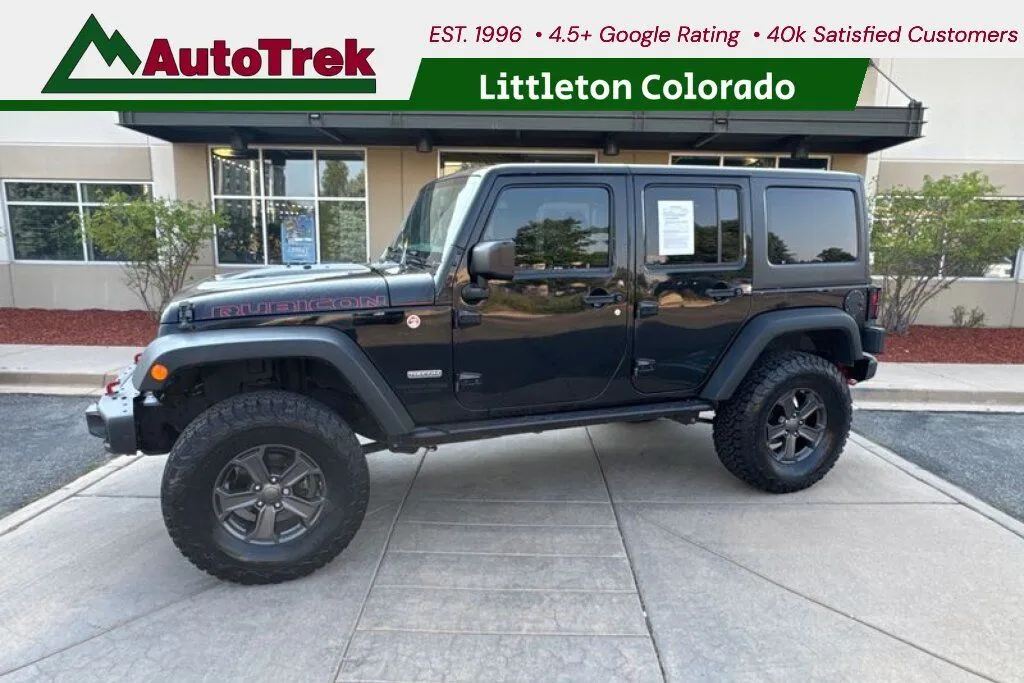
Trail confidence comes from more than ground clearance alone. Wrangler has a long reputation for rock crawling, tight trail control, and rugged four-wheel-drive hardware, especially in Rubicon models with locking differentials and trail focused gearing. Bronco answers with smart off road technology, available terrain modes, strong suspension options, and confident traction management for sand, snow, mud, and rocky paths. Both SUVs can bring removable roof and door options, which adds to their adventure appeal. Wrangler feels more traditional and mechanical, while Bronco feels more modern and controlled. For weekend use, the better choice depends on your terrain, trim level, tires, and how much comfort you still want before and after the trail. That balance can shape long term satisfaction.
Features, Technology, and Practical Convenience
Modern convenience can make a rugged SUV easier to live with every day. Bronco often feels approachable because its cabin combines sturdy controls, useful screen layouts, available trail technology, and drive modes that support both road and off road use. Wrangler brings strong personality through removable roof options, available hybrid power, trim variety, and simple controls that suit drivers who like a more traditional layout. Both models may offer smartphone connectivity, touchscreen infotainment, driver assistance features, durable seat materials, and weather friendly cabin surfaces depending on model year and trim.
Practical details should carry real weight in your decision. Roof storage, door removal, cargo access, cupholders, charging ports, rear seat comfort, and climate control can affect daily satisfaction more than a spec sheet suggests. A feature that feels exciting on a weekend may feel less useful during a busy commute. The best setup is the one that supports your lifestyle without adding extra hassle.
Used SUV Value: What Matters Before You Buy
A smart used off road SUV purchase should look beyond the window price because condition can change the real value quickly. Mileage, trim, service history, accident history, and previous trail use all help explain how a Wrangler or Bronco may perform after purchase. A clean body and attractive interior can make a strong first impression, but long term confidence also depends on tires, brakes, suspension, drivetrain, alignment quality, roof condition, and fluid history.
Value also comes from how well the SUV fits your budget after purchase. Trail focused trims can cost more because they add hardware, capability, and stronger resale appeal, while daily friendly trims may offer better comfort, simpler ownership, and a lower overall cost. Financing terms, warranty options, and inspection quality should support the final decision. A used Wrangler or Bronco makes the most sense when its condition, features, price, and payment fit your real driving needs.
Choose the Off Road SUV That Fits Your Real Life
For daily driving, Bronco usually has the easier road manners, stronger everyday comfort, and practical space that make weekday use feel more relaxed. Wrangler still makes a strong case when your heart is set on classic trail character, open air personality, and a more traditional off road feel. The better SUV is the one that fits your routine, your terrain, your passengers, and your budget with confidence.
At AutoTrek, we help you compare quality used vehicles with a clear view of condition, value, and financing fit. Our used SUVs receive strong service inspections, and we work with 20 credit union partners to support easy financing options. We can also help with fair pricing guidance, CARFAX information, and a fast, casual buying process with less pressure and more clarity.
Visit us today to explore used Wrangler, Bronco, and other capable SUVs. Let us help you find the right fit for your daily drive and weekend plans.
FAQs
Is the Ford Bronco better than the Jeep Wrangler for daily driving?
Which SUV is better for off-road use, the Jeep Wrangler or Ford Bronco?
What should I consider before buying a used Wrangler or Bronco?