
The Importance Of Vehicle Safety Inspection When Buying A Used Car
Quick Summary
Colorado requires no routine safety inspection, so responsibility for confirming a used vehicle is roadworthy sits entirely with the buyer. A pre-purchase inspection puts the car on a lift and reviews structure, brakes, suspension, steering, electrical systems, and stored fault codes in roughly forty five to sixty minutes. Standard pricing runs one hundred to two hundred fifty dollars, which is small against a hidden transmission fault or an unreported collision repair. Front Range vehicles carry an added risk from magnesium chloride, a de-icer that corrodes brake lines and frames without leaving a mark on the paint.
Buying a used car in Colorado often comes with a quiet assumption. Most shoppers believe the state checks each vehicle for safety before it changes hands, though the emissions program only looks at what leaves the tailpipe. That leaves the brakes, suspension, tires, and frame entirely in your hands, which is where a vehicle safety inspection earns its place. A used car can look immaculate under the lot lights and still hide expensive trouble underneath.
So what does a thorough inspection catch before you sign? Let's take a closer look.
Colorado Skips the Safety Inspection Entirely
Plenty of states hand you a windshield sticker every year after a mechanic confirms your car stops, steers, and lights up the way it should. Colorado takes a different route entirely, and routine safety inspections are simply not part of vehicle registration here. What the state does require is an emissions test for vehicles registered across the Denver metro and North Front Range, covering all or portions of Adams, Arapahoe, Boulder, Broomfield, Denver, Douglas, Jefferson, Larimer, and Weld counties. That test measures what comes out of the tailpipe and says nothing about worn rotors, a cracked control arm, or a seatbelt retractor that no longer locks. A car can pass emissions on a Tuesday and still be unsafe to drive your kids to school on Wednesday. The responsibility for confirming a used vehicle is roadworthy sits with the buyer, and that changes how you should approach every listing you visit.
What a Pre-Purchase Safety Inspection Actually Covers
A pre-purchase inspection puts the vehicle on a lift and works through it system by system. A technician reviews structural integrity, safety equipment, the electrical systems, the powertrain, suspension, steering, fuel system, exhaust, wheels, and the general state of maintenance. Fluids get examined for color and contamination, tires get measured for tread depth and uneven wear, and brake components get checked for thickness and heat damage. The process usually takes forty five to sixty minutes.
Modern vehicles add another layer, since the onboard computer keeps a record of fault codes and recent resets. A seller who cleared the check engine light an hour before your test drive leaves a trace, and a technician knows where to find it. Hidden damage from a collision, a flood, or hard off-road use also shows up under proper shop lighting. Fresh paint and new carpet can cover a great deal, so a trained eye works from the underside upward.
The Damage a Test Drive Will Never Show You
Numbers from the used vehicle market explain why a short loop around the block proves so little about a car's condition. Close to forty percent of used vehicles on the road have been in an accident at some point, and roughly one in twenty listings carries an undisclosed issue such as a branded title, a rolled back odometer, or an open safety recall. Odometer fraud alone accounts for an estimated four hundred and fifty thousand vehicle sales a year across the United States. None of that surfaces during fifteen minutes behind the wheel on a smooth suburban street in good weather. A vehicle history report fills part of the gap, though it only records what somebody reported, so unreported collision repair and quiet mechanical decline stay invisible on paper. The inspection is what turns a stack of paperwork into an accurate picture of the car sitting in front of you.
What an Inspection Costs and What It Saves
A standard pre-purchase inspection runs between one hundred and two hundred fifty dollars for most cars, trucks, and SUVs on the market today. Luxury models, hybrids, electric vehicles, diesel trucks, and performance cars sit at the higher end, and the price climbs further when you request compression testing, a full lift inspection, or a photo report with repair estimates. Set that against the repair bills waiting on the other side of a bad purchase, where a worn transmission or a hidden collision repair reaches several thousand dollars on its own. The spend also buys negotiating room, since a written list of needed work gives you a documented reason to ask for a lower price. Three outcomes come out of every inspection, and each one leaves you better off than before. You either buy with confidence, negotiate with evidence, or walk away from a car that would have drained your savings.
Rust, Brake Lines, and Colorado's Mag Chloride Problem
Colorado drivers tend to assume rust belongs to the coasts and the salt belt, and the dry air here supports that idea right up until you look underneath a ten year old vehicle. Road crews across the Front Range rely on magnesium chloride every year to keep highways open through winter storms. The compound pulls moisture out of the air and holds it against metal, which accelerates corrosion on brake lines, fuel lines, exhaust components, suspension parts, and the frame itself. A liquid de-icer also reaches places that solid salt never touches, so residue collects in seams and wheel wells where almost nobody thinks to rinse. None of this shows in the paint, and a car with a flawless finish can carry corroded brake lines that fail without warning. An inspection with the vehicle raised gives you the only honest view of how the last several winters have treated it.
Buy Your Next Used Car with Nothing Left to Guess
A used car purchase is one of the few large decisions where the seller knows far more than the buyer does. An inspection closes that gap for a modest fee and about an hour of shop time. Once you know what you are actually buying, the rest of the process turns into a straightforward conversation about price.
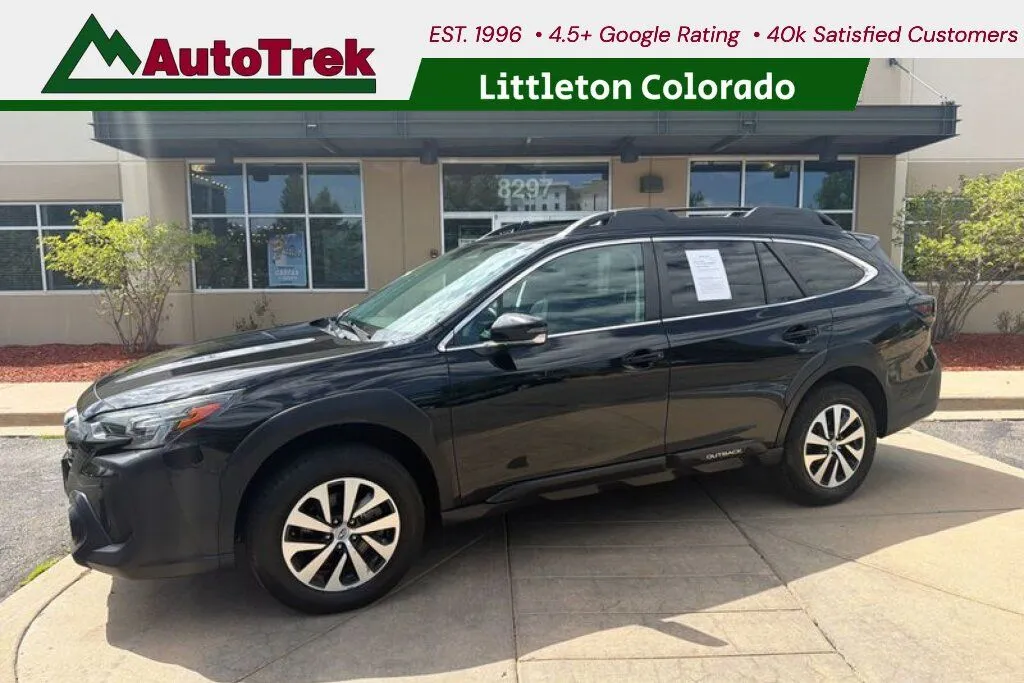
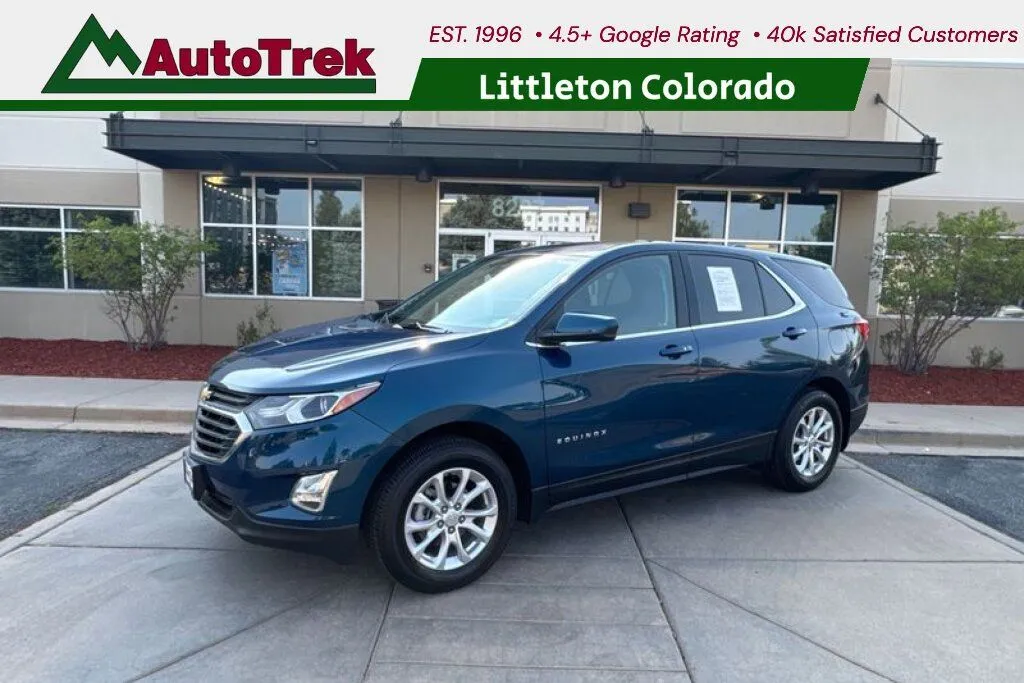
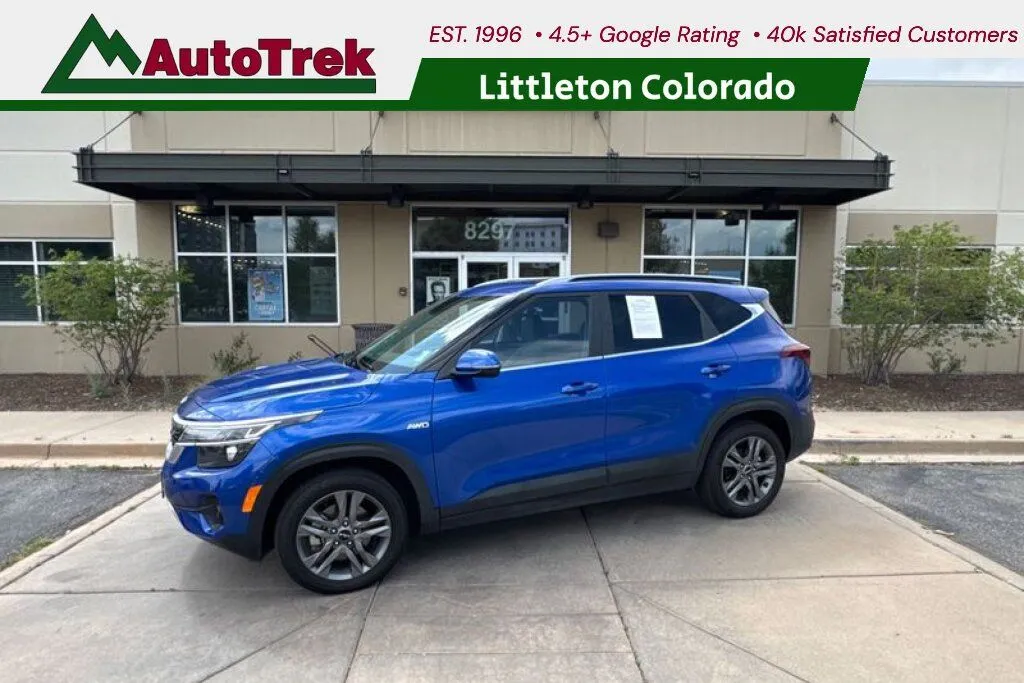
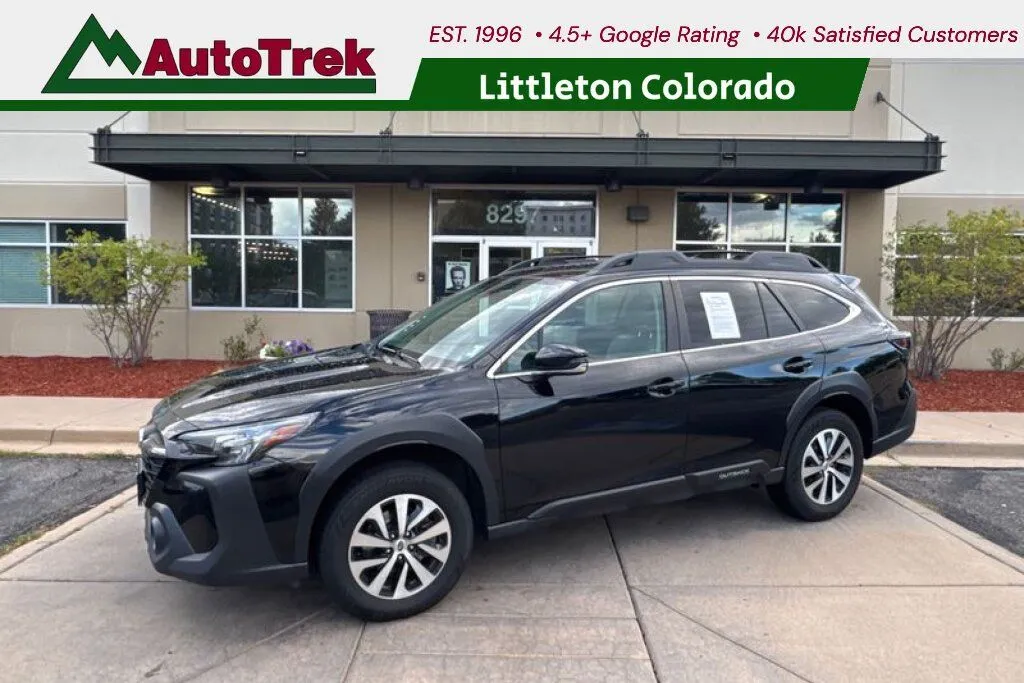
We have been a family-owned business in Littleton since 1996, and every vehicle on our lot goes through a full safety inspection before it earns a spot there. Our CIADA Certified Pre-Owned selection comes backed by a three day return policy along with a three month, three thousand mile warranty. Our service center handles all makes and models, so we can also inspect a vehicle you are considering somewhere else.
Browse our current inventory online or visit us on Southpark Circle in Littleton, and let us show you exactly what we found under every vehicle we sell.
Frequently Asked Questions
Does Colorado require a safety inspection for used cars?
How long does a pre-purchase inspection take?
Can I return a used car in Colorado if something turns up later?