
Toyota Tundra Vs. Ford F-150: Which Used Truck To Consider
Quick Summary
The Toyota tundra vs f150 comparison depends on how you plan to use your truck, which configurations fit your budget, and how much variety you want while shopping. The Tundra can appeal to drivers who prefer a straightforward full-size pickup with a strong durability reputation, while the F-150 offers a broad mix of engines, trims, cab styles, and work-focused features.
Shopping for a used full-size pickup is not only about choosing between two badges. Trucks may have spent previous years commuting, towing trailers, hauling equipment, traveling off-road, or working on job sites. Those differences can influence long-term ownership more than reputation alone. A careful Toyota tundra vs f150 decision should also consider towing, payload, maintenance history, fuel costs, comfort, and the condition of the individual vehicle.
At AutoTrek, we encourage buyers to begin with the job the truck needs to perform. Consider how often you carry passengers, what you haul, whether you tow, where you park, and how many miles you expect to drive. Once those priorities are clear, it becomes easier to decide whether a used Tundra or F-150 is the stronger match.
Tundra or F-150: What Is the Main Difference?
Both trucks compete in the full-size pickup segment, but they approach variety differently. The F-150 has traditionally offered a wide selection of engines, trims, cabs, bed lengths, and specialty models. That range can help shoppers find a truck suited to commuting, commercial work, towing, luxury, or off-road driving. Ford’s current lineup continues that broad strategy.
The Tundra lineup is generally more streamlined. Buyers still encounter multiple trims, two-wheel- and four-wheel-drive options, different cab and bed combinations, and newer turbocharged or hybrid-assisted powertrains, depending on model year. Toyota continues to position the Tundra around capability, comfort, towing, and available off-road equipment.
Compare Engines and Driving Character
Powertrain choices vary by model year, especially with the F-150. Used Ford shoppers may find V8 engines, turbocharged V6 engines, and, in newer years, hybrid options. Each delivers a different balance of torque, fuel use, complexity, and driving feel.
Earlier Tundras are commonly associated with naturally aspirated V8 power, while newer models moved to twin-turbocharged V6 engines and an available hybrid-assisted system. Older V8 trucks may attract buyers who prefer familiar power delivery, while newer models can offer stronger low-end torque and updated technology.
A test drive still matters. Evaluate throttle response, transmission behavior, braking, visibility, cabin noise, and ride quality because a powertrain that looks ideal online may not suit your routine.
Towing and Payload Require Exact Details
Both trucks can tow and haul serious loads when properly configured, but capacity changes with engine, axle ratio, cab style, bed length, drivetrain, trim, passengers, and cargo.
The F-150 has offered configurations with especially high maximum towing and payload ratings, while the Tundra also provides substantial capability in properly equipped versions. Manufacturer information shows how significantly ratings can vary by configuration, so a badge or engine name alone is not enough.
Inspect the door-jamb labels, hitch components, trailer-brake controls, cooling equipment, and axle information. Confirm the exact rating for that truck rather than relying on a general online number. Buying far more capacity than necessary can raise fuel, tire, and maintenance costs.
Cab Space, Bed Length, and Comfort
Crew-cab models offer more rear-seat room for passengers or secure storage. Extended-cab versions may cost less and be easier to maneuver, but they can feel restrictive when the back seat is used regularly.
A longer bed helps with equipment, building materials, or camping gear, while a shorter bed is generally easier to park. Higher trims may add larger displays, advanced cameras, premium seating, power outlets, and driver-assistance technology. More equipment can also mean more components to inspect and potentially repair, so prioritize features you will actually use.
Reliability Depends on the Individual Truck
Toyota trucks often attract buyers who value long-term ownership, while the F-150 benefits from broad availability, a large service network, and abundant parts support. Neither nameplate guarantees a trouble-free vehicle.
Look for regular oil changes, cooling-system care, brake maintenance, differential service, and timely repairs. Inspect the frame, hitch receiver, suspension, bed, underbody, tires, and brakes for signs of heavy towing, overloading, off-road impacts, or commercial use.
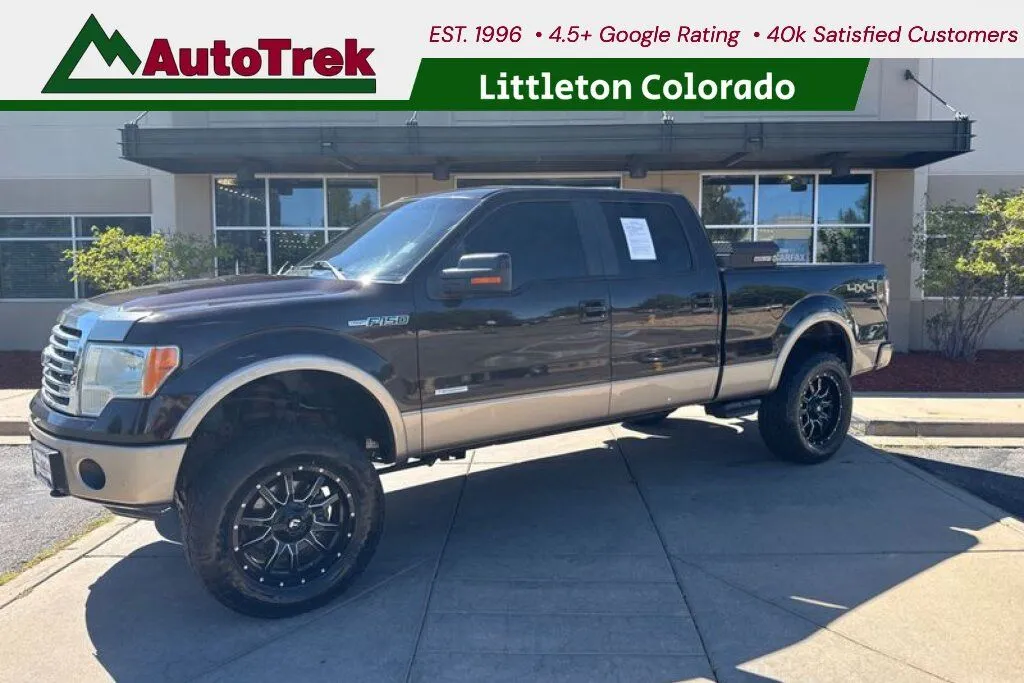
Lift kits, oversized tires, tuners, and aftermarket wiring deserve close attention. Poor installation can affect handling, accelerate wear, or create electrical concerns.
Compare Complete Ownership Costs
Purchase price is only one part of truck ownership. Fuel use varies with engine, drivetrain, tire size, load, towing frequency, and driving habits. Four-wheel drive may be valuable for Colorado travel, but it can add weight and mechanical components.
Insurance, registration, tires, brakes, and scheduled maintenance should also be included. Our car loan calculator can help you estimate how price, down payment, term, and interest rate may affect financing.
How to Inspect a Used Tundra or F-150
Start with the history report and service records, then inspect the truck in daylight. Look for mismatched paint, corrosion, fluid leaks, damaged wiring, worn seats, and excessive bed or hitch wear.
During the test drive, check cold-start behavior, transmission shifts, steering response, braking stability, suspension noises, four-wheel-drive engagement, climate control, cameras, and infotainment functions. Note any vibration at highway speed or clunks during acceleration and braking.
You can compare our current used cars, trucks and SUVs for sale in Littleton, CO to see available pickups and similar vehicles. Inventory changes regularly, so we recommend judging each truck on its condition, records, equipment, and price.
Which Used Truck Should You Choose?
Choose the Tundra if you value a more focused model range, prefer Toyota truck characteristics, and find a well-maintained example with the cab, bed, drivetrain, and towing equipment you need.
Choose the F-150 if you want maximum configuration variety, a wider selection of engines and trims, or a better chance of finding a specific work, towing, luxury, or budget-focused setup.
The final decision may come down to the individual vehicles available. A carefully maintained F-150 is usually a better purchase than a neglected Tundra, and the reverse is equally true. Let inspection results, service history, configuration, price, and ownership costs outweigh assumptions based only on the emblem.
Put the Right Full-Size Truck in Your Driveway
The Tundra brings a focused lineup and recognizable Toyota truck character, while the F-150 delivers exceptional variety for work, towing, travel, and daily driving. Your strongest choice is the truck that meets your requirements and proves its condition through records, inspection results, and a thorough test drive.
Bring your comparison to AutoTrek and turn specifications into seat time. Review available trucks, examine the details that shape ownership, and visit us in Littleton to select a full-size pickup ready for your workdays, weekends, and Colorado roads.
Frequently Asked Questions
Is a Used Tundra More Reliable Than a Used F-150?
Which Truck Is Better for Towing?
Should I Buy a V8 or Turbocharged V6?
Can AutoTrek Help Me Find a Specific Truck?
Which Truck Is Better for Everyday Driving?