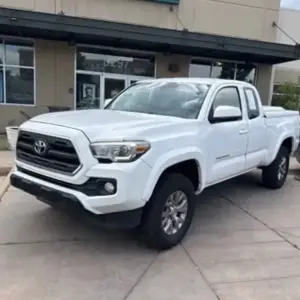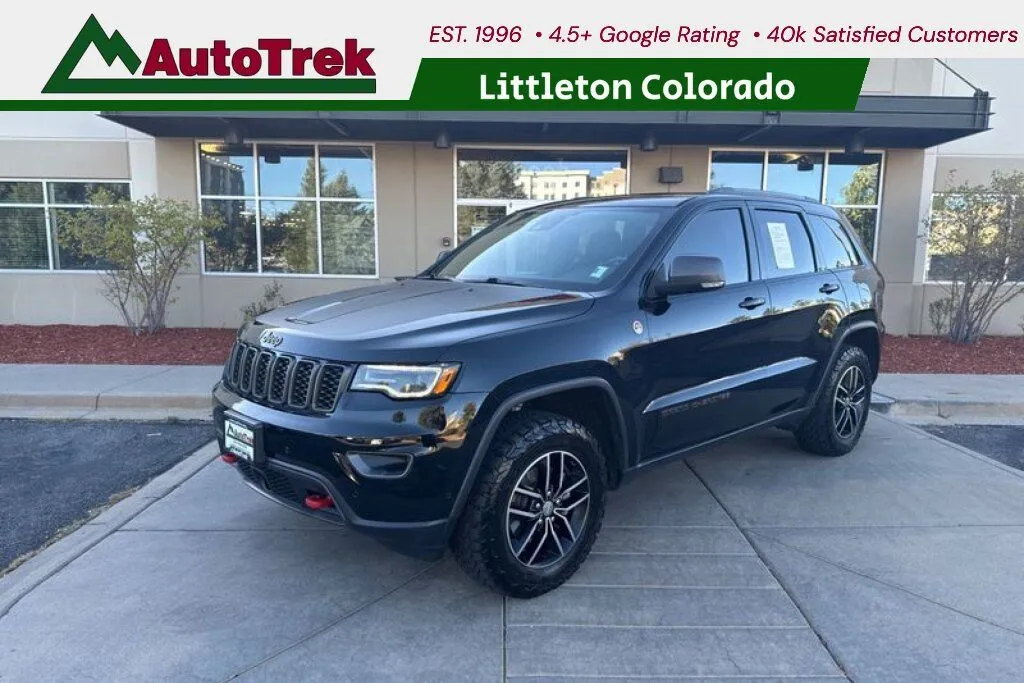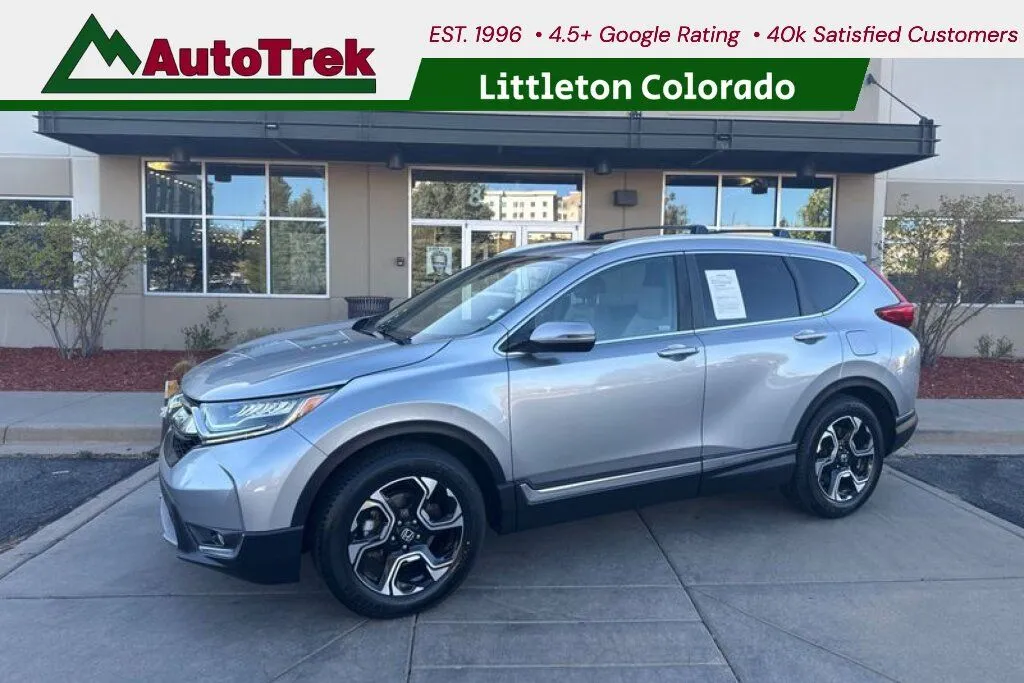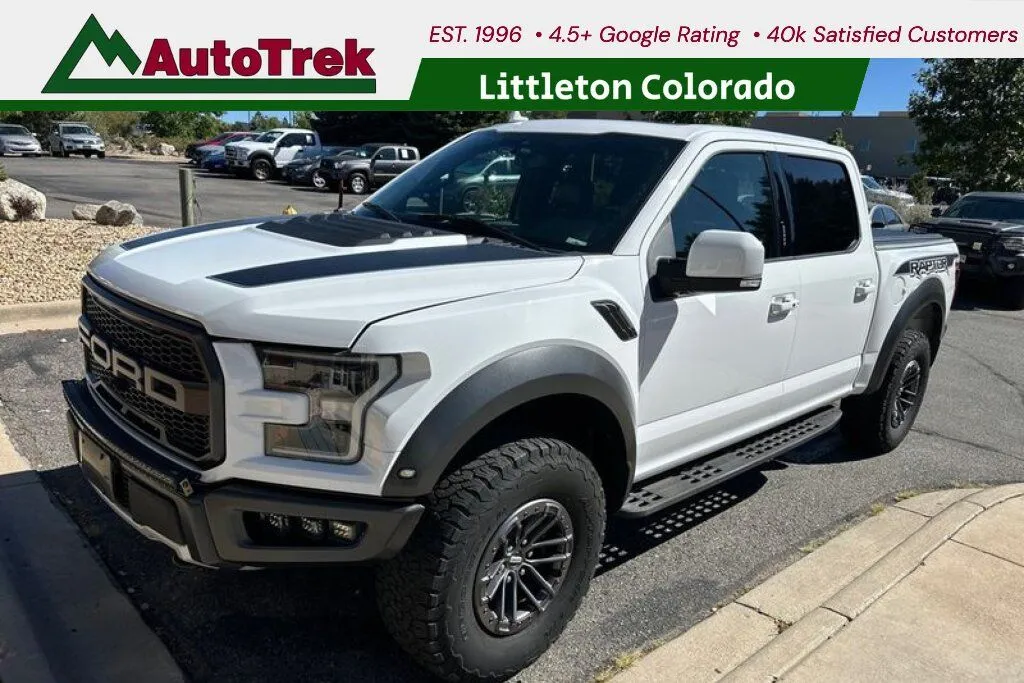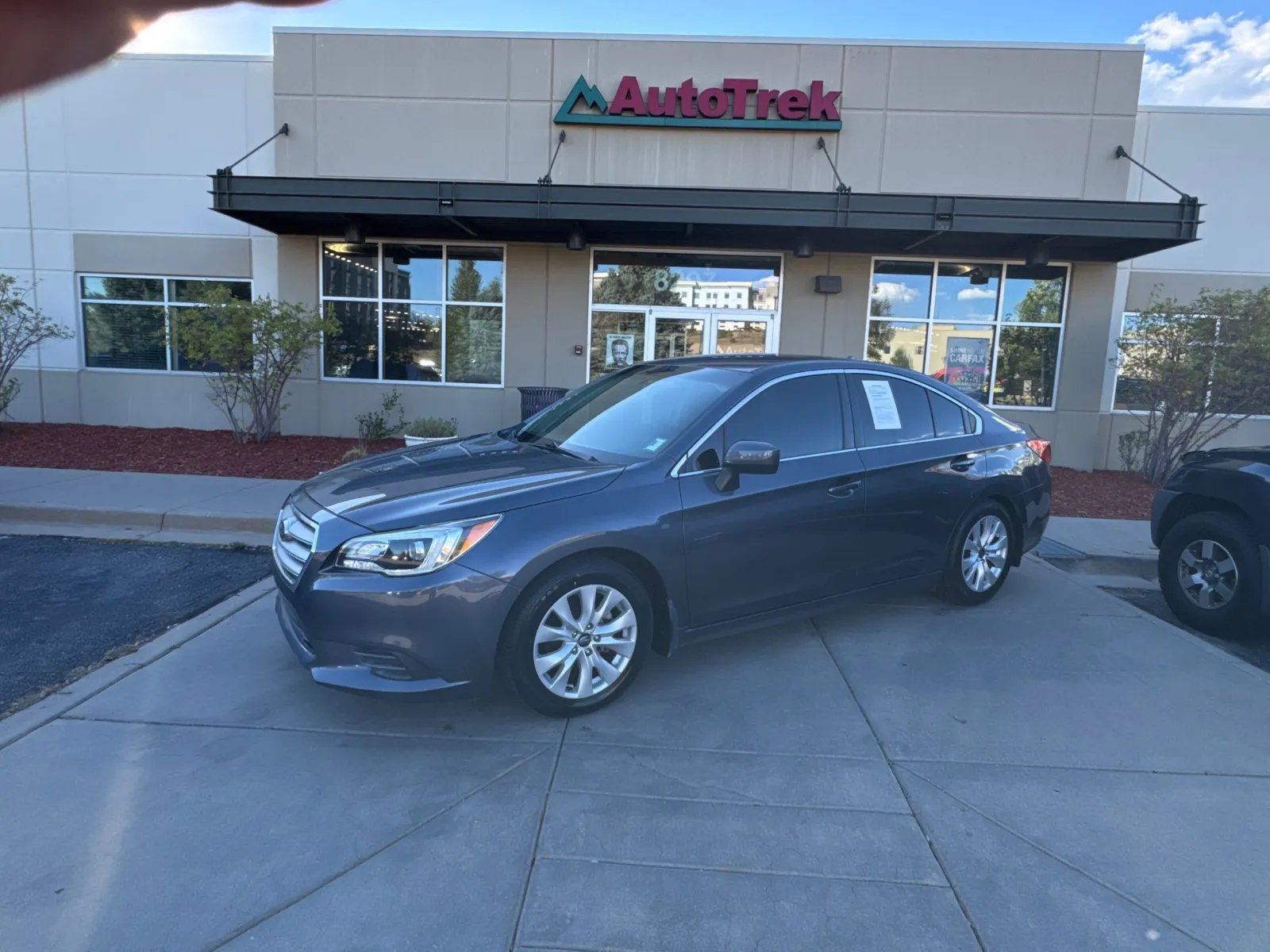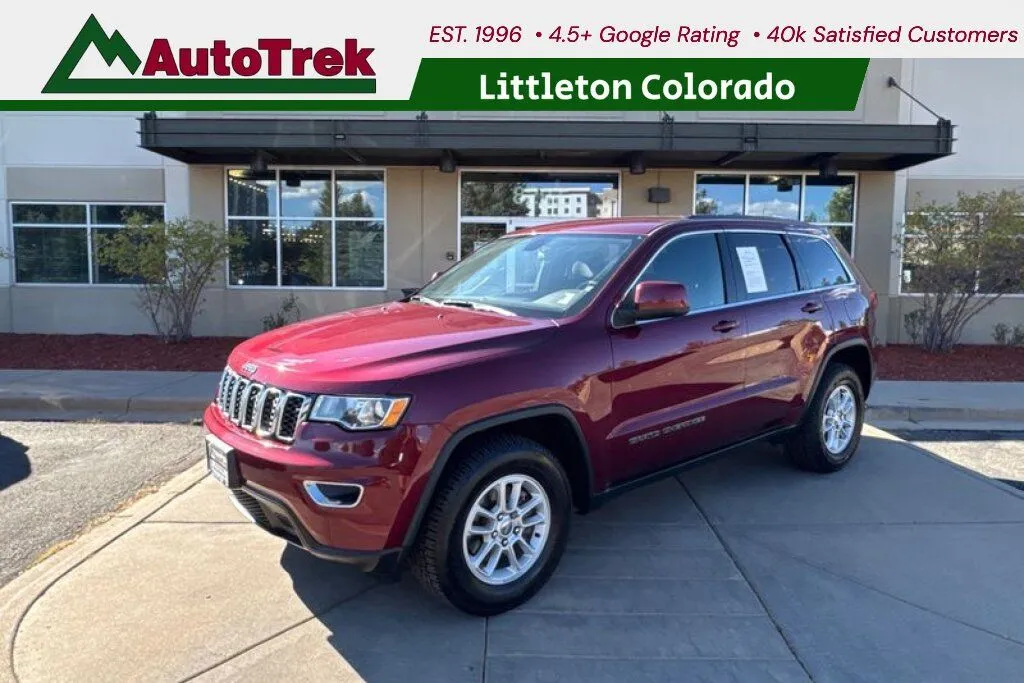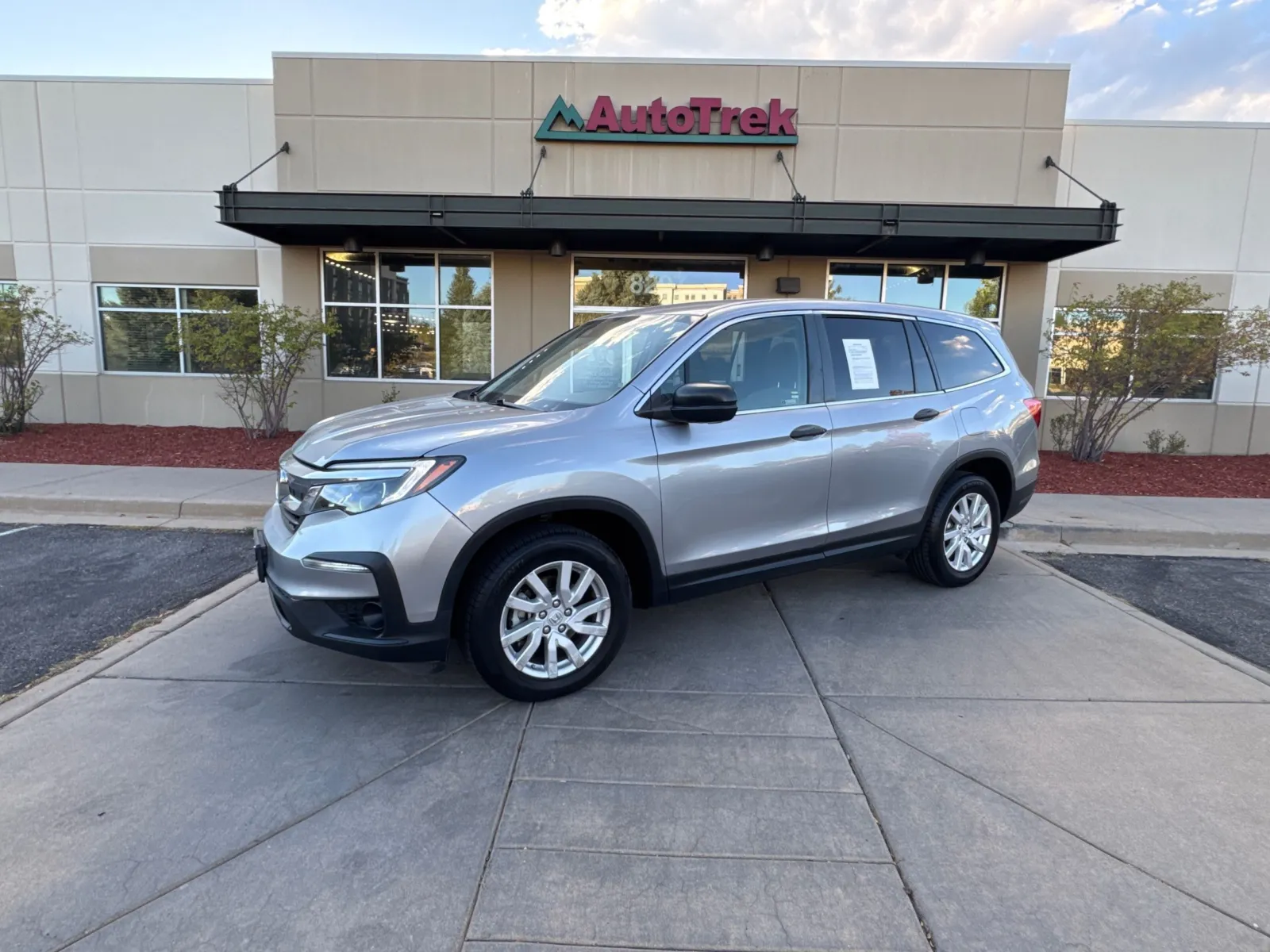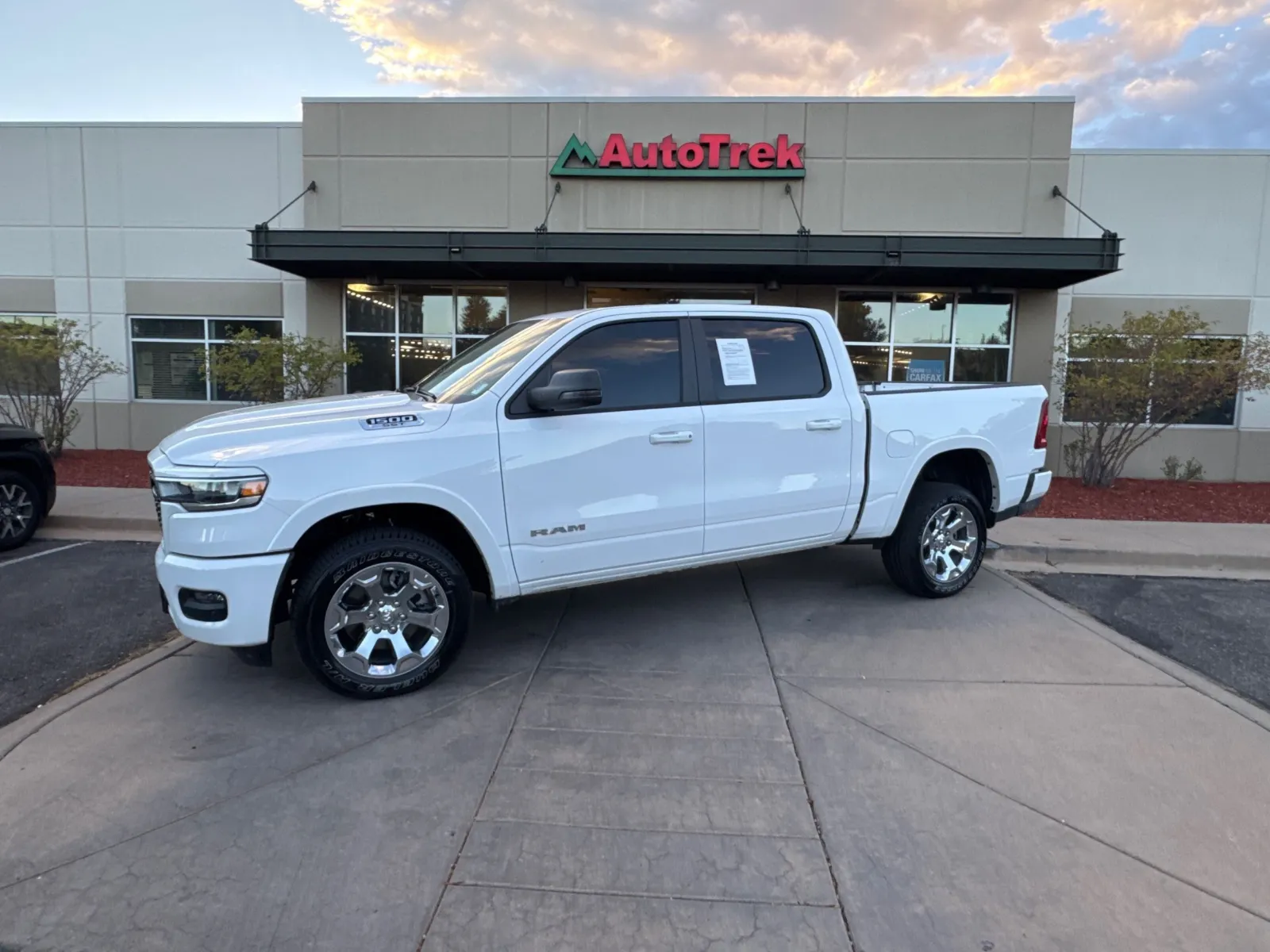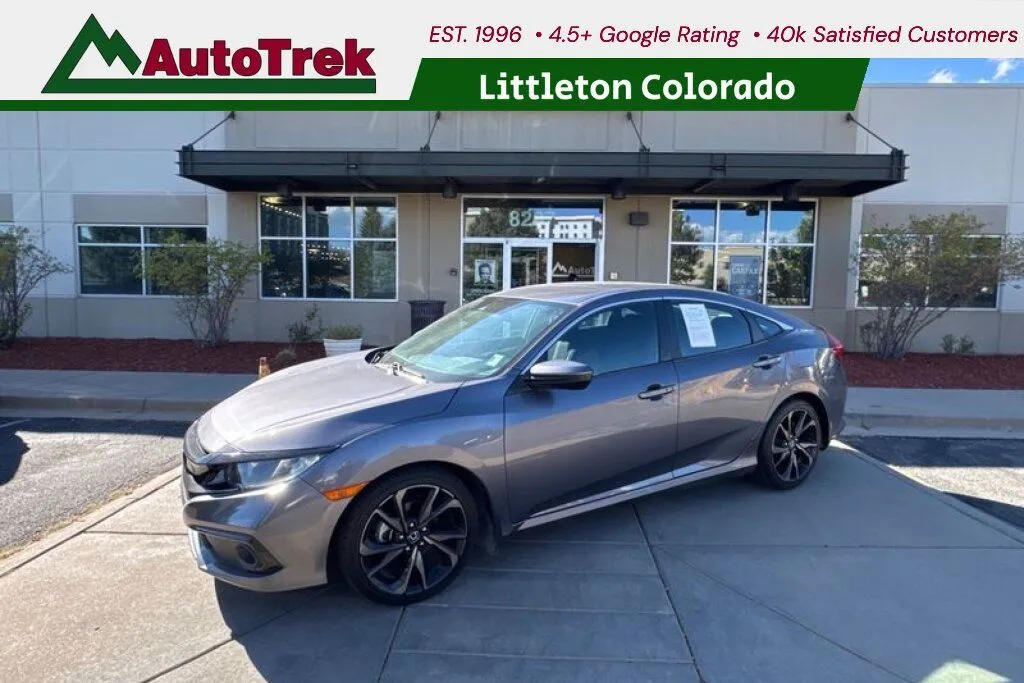


Used car maintenance costs can have a bigger impact on ownership budgets than many drivers anticipate. Beyond the price of used cars, trucks and SUVs for sale in Littleton, CO, service and repair expenses shape long-term affordability and influence which vehicles make sense to buy.

Identifying these costs ahead of time allows drivers to plan realistically and avoid unexpected bills.

Every vehicle carries a history of wear, mileage, and previous care. A well-maintained car often has fewer surprises, while one with gaps in service history may require attention sooner.

Your car’s trade-in value can also be affected by maintenance history, which makes budgeting for repairs an important part of long-term planning. Working with a trusted service center simplifies this process, and scheduling regular checkups helps maintain performance.

Drivers who schedule service at recommended intervals often experience more predictable costs and fewer emergency repairs.

What Maintenance Covers in a Used Vehicle

Maintenance includes routine services, wear-based replacements, and inspections related to age or mileage. Routine services include oil changes, tire rotations, and fluid replacements.

These should happen on a set schedule and protect the car from accelerated wear. Failing to keep up with routine maintenance often results in larger, more costly repairs over time.

Wear-based items differ with driving habits. Brakes, tires, suspension components, and belts all degrade naturally. Each replacement adds to used car maintenance costs, though some items, like tires and brakes, tend to appear more frequently than belts or hoses.

Observing early signs of wear can prevent minor issues from becoming significant expenses. Scheduled inspections reveal potential problems before they affect drivability.

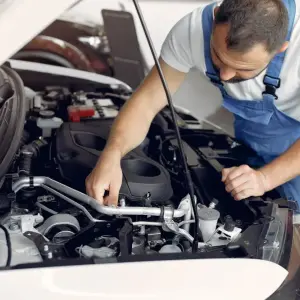
Repairs related to age emerge more slowly but can be costly. Cooling system failures, electrical issues, and worn engine components often appear after many years of service. Modern vehicles rely on electronics extensively, which can make diagnostics and labor more expensive.

Being aware of all the above prepares buyers for the full spectrum of ownership costs.

Routine Maintenance Expenses

Routine services form the basis for predictable maintenance spending. Oil changes remain the most common recurring expense. Depending on the engine type and oil grade, these visits occur every few thousand miles.

Costs differ slightly by region and shop, but this service remains one of the most cost-effective ways to protect engine health.

Tire rotations and wheel alignments also fall into routine care. Rotations extend tread life while alignments prevent uneven wear and maintain vehicle handling. Skipping these steps often reduces tire longevity and can lead to unexpected replacement costs sooner than planned.

Fluid replacement is another necessary service. Brake fluid absorbs moisture over time; coolant loses protective qualities; transmission fluid degrades from heat and friction.

Replacing fluids at manufacturer-recommended intervals supports reliable operation and lowers the chance of expensive repairs. Planning these services helps drivers manage used car maintenance costs consistently.

Wear-and-Tear Components

Wear-based components often represent the largest portion of ongoing maintenance expenses. Brake pads and rotors require attention as they approach end-of-life. City driving, which includes frequent stopping, tends to wear brakes faster than highway driving.

Replacing these components restores safety and performance, but the cost varies depending on vehicle size and model.

Tires experience gradual wear influenced by road conditions and driving style. Maintaining proper inflation and scheduling rotations helps extend lifespan. Replacing a full set of tires may be expensive, yet it occurs less frequently than routine services.

Suspension components, such as shocks and struts, degrade over time as well. Reduced ride comfort, uneven tire wear, or increased bouncing signals that replacement may be needed. These components influence both handling and long-term used car maintenance costs.

Belts and hoses also require replacement over time. Rubber components naturally harden and crack, risking failures that could lead to engine damage. Though individually inexpensive, multiple replacements during one service visit can increase the bill.

Unexpected Repairs

Unexpected repairs often carry the highest costs and stress. Electrical failures, sensors, or modules may stop functioning as the car ages. Diagnosing these problems requires time and specialized tools, which contributes to labor costs.

Cooling system repairs are another potential surprise. Radiators, water pumps, and thermostats face constant temperature changes.

Failure of one part may impact others. Early attention helps prevent cascading damage and reduces total repair expenses.

Major drivetrain repairs, such as engine or transmission overhauls, remain less common but are expensive when they occur. Owners who plan for used car maintenance costs with a contingency budget are better prepared for these rare but impactful events.

Choosing a vehicle with a documented service history can reduce the likelihood of encountering such issues.

Vehicle Type and Maintenance

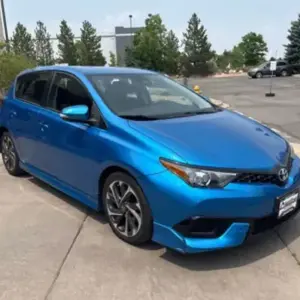
Vehicle size and design also matter regarding maintenance expenses. Compact cars generally cost less to maintain due to smaller engines, simpler drivetrains, and widely available parts. Owners benefit from lower labor costs and high parts availability.

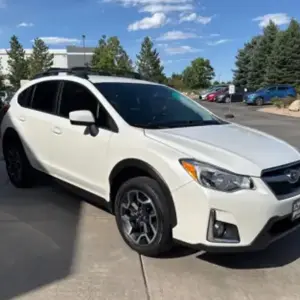
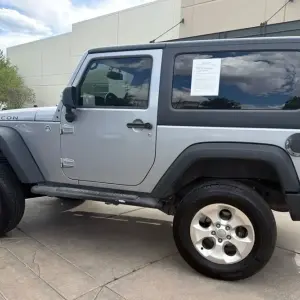
SUVs and trucks tend to carry higher service costs. Larger brakes, heavier tires, and all-wheel-drive components increase labor and parts expenses. Luxury vehicles may require specialized tools and higher labor rates.

Recognizing these differences helps buyers plan their used car maintenance costs accurately and select a vehicle that fits both lifestyle and budget.

Mileage and Age Considerations

Mileage and age provide valuable insights into future maintenance needs. Higher mileage often signals wear-based replacements for components like belts, suspension, and brakes.

Even low-mileage vehicles can require service if they have spent years exposed to heat, cold, or moisture.

Age-related maintenance arises from the natural degradation of materials. Rubber seals dry out, plastics become brittle, and electronics may slowly fail. Considering both mileage and age together allows drivers to anticipate future used car maintenance costs more realistically.

Driving Habits and Their Effect

Driving habits directly impact how quickly components wear. Aggressive braking, rapid acceleration, and frequent short trips accelerate wear on brakes, tires, and the engine.

Highway driving often produces less stress on components, potentially lowering maintenance expenses. Drivers who adjust habits accordingly can manage used car maintenance costs over time more effectively.

Planning a Maintenance Budget

Budgeting for maintenance involves more than paying for monthly expenses. Setting aside a small amount each month prepares drivers for routine services and unexpected repairs. Planning ahead reduces financial stress when repairs or replacements are necessary.

Reviewing a vehicle’s service schedule allows owners to anticipate upcoming maintenance needs. Timing larger services in advance prevents surprises and keeps used car maintenance costs predictable.

Drivers who approach ownership strategically enjoy fewer interruptions and more confidence behind the wheel.

Inspections and Their Importance

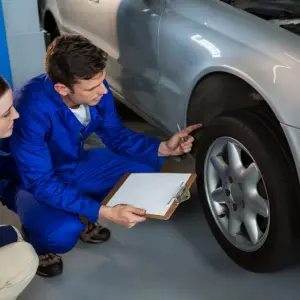
Regular inspections play a major part in controlling maintenance spending. Pre-purchase inspections reveal existing issues and upcoming service needs. This transparency helps buyers make better choices and avoid costly surprises.

Ongoing inspections during ownership detect wear early. Identifying minor issues before they escalate into major repairs keeps used car maintenance costs manageable. Drivers who prioritize inspections often experience more predictable and lower long-term expenses.

Making Smart Vehicle Choices

Cheaper vehicles sometimes carry hidden costs. Skipping maintenance or buying a car with an incomplete service history may lead to higher future expenses. Spending slightly more on a well-maintained vehicle often reduces used car maintenance costs over time.

Value emerges from condition, history, and reliability. Choosing a car that has been inspected, serviced, and maintained helps drivers enjoy ownership without frequent, unexpected financial burdens.

How AutoTrek Supports Smart Ownership

AutoTrek guides buyers through decisions that affect long-term maintenance expenses. Our team has built a reputation for thorough inspections, quality vehicles, and friendly guidance.

We work closely with credit unions to help customers access financing that matches their budget and goals.

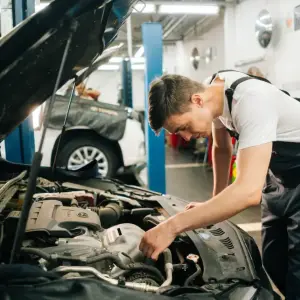
We maintain a trusted service center where vehicles receive complete inspections before sale. Customers can schedule service easily and plan for ongoing maintenance to protect long-term reliability.

Tracking a vehicle’s history also helps estimate your car’s trade-in value when it’s time to upgrade. Our goal is to create ownership experiences that are predictable, comfortable, and worry-free.

If you have any questions about AutoTrek or want to explore our used cars, trucks and SUVs for sale in Littleton, CO, feel free to get in touch with us today.