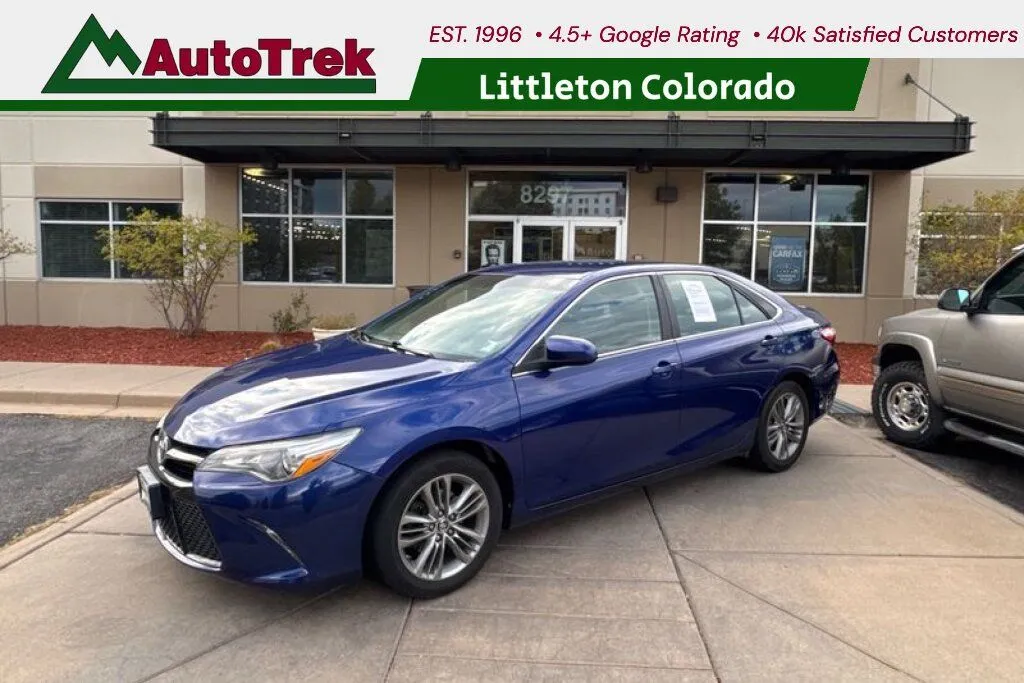

Used Honda Civic Vs. Toyota Corolla: Which One Should You Buy?
Are you shopping for a used compact car? You want something dependable, easy on fuel, and not allergic to real life. Two names keep showing up like they own the place: the Honda Civic and the Toyota Corolla. Both have built reputations on showing up every morning, starting without drama, and asking for very little in return.
The twist is that they deliver those virtues with different personalities, so the “better” buy depends on what you value once the honeymoon is over.
The Quick Verdict
If you’re looking for a used car for sale that feels sharper to drive and often holds value a bit better, the Civic has an edge. If the goal is a used car that majors in calm, simple ownership and a no-fuss daily rhythm, the Corolla is hard to argue with.
Think of it this way. The Civic tends to feel like it was designed by people who like driving, while the Corolla often feels designed by people who like sleeping well at night.
Resale Value: Who Keeps More Money?
Depreciation is the silent tax on car ownership. You pay it slowly, day after day, the moment you drive off with the title in your glovebox. On a five-year basis, the Honda Civic depreciates about 27.9%, compared with about 31.3% for the Toyota Corolla, giving the Civic a small advantage in retained value.
That difference is not always dramatic on a single transaction, but it can matter if you trade often or plan to sell privately in a few years. Resale also depends on trim and body style, and certain Civics and Corollas can buck the averages if they have popular options and clean histories.
Reliability and Repair Costs: The Real-world Budget Test
Both models are widely viewed as strong long-term picks, which is a big reason they dominate used-car shortlists. In practical terms, that usually means fewer surprise repairs than many rivals and a big ecosystem of independent shops and easy-to-find parts.
For a buyer, the best move is to treat “reliable nameplate” as the starting line, not the finish line. Service records, tire wear, fluid condition, and how the car was driven matter more than the badge on the grille when the odometer climbs.
Driving Feel: Smooth and Steady vs. Lively and Eager
This is where a used Honda Civic usually separates itself. Many shoppers notice the Civic feels more responsive and more tied down in corners, even in ordinary trims. The Corolla tends to prioritize an easy, relaxed feel that works well for commuting, errands, and long freeway stretches.
Neither approach is “right.” It is preference. If driving is part of your fun, the Civic often scratches that itch better, and if driving is just the part between you and your destination, the Corolla’s calmer vibe can be the better companion.
Fuel Economy: Both Are Light on Gas, So Compare Specific Years
Civic and Corolla shoppers rarely end up disappointed at the pump. Both cars have long leaned into efficiency, and both offer powertrains designed for strong mileage in real life. The catch is that fuel economy varies by model year, engine choice, and trim, so a “Civic vs Corolla” debate gets more accurate when you compare the exact two vehicles on the lot.
Also note that maintenance shapes mileage. Old spark plugs, neglected filters, and underinflated tires can make any compact car feel thirstier than it should.
Comfort and Cabin: Different Flavors of “Nice”
The Civic often feels more modern and driver-focused, with a layout that tends to make controls easy to reach and visibility feel confident. The Corolla often plays the comfort card with a straightforward cabin that is easy to live with and easy for the next owner to understand.
In used form, condition matters more than brand stereotypes. A well-kept Corolla with a clean interior and tight suspension will feel better than a Civic that lived a rough life with skipped services and a curb-hugging wheel collection.
Tech and Features: Buy the Car, Not the Screen
Used-car tech is a funny thing. It is exciting on the test drive, then it becomes background noise once you settle into daily life. Both Civic and Corolla models can come with strong safety and convenience features depending on year and trim, so it pays to shop features, not assumptions.
Before buying, pair your phone, test the backup camera, try the audio controls, and check that driver-assist features behave predictably. A clean mechanical inspection is still the main event, but tech glitches can become the kind of annoyance that ruins an otherwise great ownership experience.
Safety: Strong Performers, But Check the Year
Safety is one area where “close enough” is not a good mindset, because ratings and equipment can change a lot across generations. The IIHS updates tests and award criteria over time, so two cars with the same name can perform differently depending on model year and equipment.
As a real-world reference point, IIHS testing on small cars has highlighted how rear-seat protection can lag behind front-seat protection, with the Civic and Corolla among the models that scored “Acceptable” in a rear-occupant evaluation context. For any used purchase, look up the exact year on IIHS, then verify the car has the headlights and safety packages tied to better scores for that model year.
Ownership Math: What Actually Makes One “Better” Used
A used Civic can be a smarter buy even if the purchase price is a bit higher, because stronger retained value can pay you back later. A used Toyota Corolla can be a smarter buy if you find a clean one at a great price, because the best deal is often the car that was maintained like someone planned to keep it.
In other words, the “best” choice is often the better individual vehicle, not the better nameplate. A one-owner car with complete records, good tires, and no accident history can beat a supposedly better model that has been neglected.
What to Look For on the Lot
A quick test drive can flatter almost anything, so it helps to drive with a checklist in your head.
- Cold start: Listen for rough idle, rattles, or warning lights that linger.
- Transmission feel: It should pull smoothly without shuddering, slipping, or weird surging.
- Brakes and steering: No pulsing, no squeals, no pulling to one side.
- Paper trail: Service records and a clean history report can matter as much as mileage.
If two cars feel similar in condition, lean toward the one with the better ownership history and the trim you will still enjoy in two years. Buyers often regret paying extra for features they do not use, and they often regret skipping the features they touch every day.
Which One Should You Buy?
Choose a used Honda Civic if you want a compact car with a sportier feel and a small advantage in retained value over time. Choose a used Toyota Corolla if you want a compact car that excels at low-stress daily driving and has a long-standing reputation as a dependable, easygoing choice in the used market.
The best final move is simple: compare two specific vehicles, in person, on the same day, then let condition and maintenance history make the call. That is how a smart used-car decision feels less like a gamble and more like a win you can drive home.
Local Used Car Experts in Littleton, CO
At AutoTrek, we are a local, family-owned used car dealership in Littleton, CO that has helped drivers buy smarter since 1996. We started as an Auto Club focused on sharing free, practical guidance on car buying and vehicle maintenance, and that support still matters today. We can help with fair pricing guidance, provide a free CARFAX report for private-party purchases, and point out red flags before money changes hands.
Looking for a solid used Honda Civic or Toyota Corolla in the 10K to 25K range? Our vehicles go through a thorough inspection process, and our credit union relationships open the door to strong financing options. Explore our inventory now.