
What To Do After Buying A Used Car: Steps Every Driver Should Take
Wondering what to do after buying a used car? The first week sets the tone for everything that comes next. The best part is that the “after” steps do not require a mechanic’s toolbox or a spreadsheet obsession. They require a calm plan.
Handle the paperwork fast, get the car legally buttoned up, then give it a clean baseline so you know what you own and what it needs. After that, it is mostly about habits.
Lock Down the Paperwork and Title Transfer
Right after purchase, gather the documents you will need for titling and registration. Many states require a signed title from the seller and supporting paperwork like a bill of sale, an odometer reading, proof of insurance, and state ID, though requirements vary by location. The general rule is simple: once the seller signs the title over, the buyer typically completes the transfer with the DMV.
If you bought from a private party, plan to handle this yourself unless your state offers alternatives or the transaction involved a service that processes filings. If you financed the car, the new title may be mailed to you or to the lender depending on how your state handles liens.
Get Insurance in Place Before You Drive Much
Insurance is not a “later” item. It is a “before the next errand” item. Many DMV processes also require proof of insurance as part of registration and title work.
Even if you already have a policy, confirm the new vehicle is properly listed, with correct VIN, coverage levels, and effective date. This is also a good time to revisit deductibles, since the right balance can change depending on the value of a used car.
Check for Open Recalls by VIN
Next, check your vehicle for open safety recalls. The National Highway Traffic Safety Administration (NHTSA) offers a VIN lookup tool that shows if a specific vehicle needs recall repair work. Manufacturers are required to fix recall problems through repair, replacement, refund, or in rare cases repurchase, depending on the recall.
This step takes minutes and can save you a major headache. If a recall shows up, schedule the fix with a franchised dealer for your car’s brand.
Do a Baseline Maintenance Reset
Even if the seller seemed honest, used car maintenance history can be incomplete, unclear, or simply hard to verify. A baseline reset means starting ownership with a known reference point.
At minimum, plan an oil change and a full fluid check. Then ask a trusted shop to look over brakes, tires, suspension wear, battery health, and any seepage underneath. This is not paranoia. It is ownership clarity.
For ongoing maintenance, the simplest play is to follow the manufacturer’s recommended schedule, which is typically organized by mileage or time. The maintenance schedule can be found in the owner’s manual, and it can also be tracked in the CARFAX Car Care app.
Start a Maintenance Record You Can Keep Up with
Pre-owned cars hold value better when their story is organized. Service receipts, dates, and mileage notes help you remember what was done and help the next buyer trust the car later.
If you want a low-effort system, use a digital tracker and still keep a small folder for bigger receipts. CARFAX Car Care app can track service history, get service reminders, and even receive open recall alerts. The goal is not perfection. The goal is consistency.
Replace the Little Things That Change Daily Life
Once the legal and mechanical foundation is solid, shift to comfort and safety basics that make the car feel like yours.
Think about items that affect every drive:
- New wiper blades if visibility is streaky.
- Fresh cabin air filter if the vents smell dusty.
- A second key if you only received one.
- Floor mats if the originals are missing or worn.
These upgrades are small-money moves that make the car feel cleaner, safer, and more personal fast. They also help protect the interior, which matters when resale time comes.
Learn Your Car’s Normal
The first two weeks are your observation window. Listen for patterns. Pay attention to how it starts, idles, shifts, brakes, and cools. Notice where the temperature needle sits and how quickly it warms up. Learn what “normal” feels like so “not normal” stands out immediately later.
This is also when to run a few practical tests:
- Try the headlights at night.
- Test the defroster on a cold morning.
- Use cruise control on a highway stretch.
- Park on a hill and verify the parking brake holds.
A used car does not need to be flawless. It needs to be predictable.
Handle Registration, Plates, and Local Compliance
Depending on the state, you may have deadlines for registration and title work, plus emissions or safety inspections in certain counties. State DMVs commonly outline the private-party registration and title process and the required forms, but it varies widely, so check your state’s official DMV page for specifics.
If you moved recently or bought the vehicle out of state, that can add steps such as VIN verification or additional forms. Knock these out early, because fines and delays are the kind of drama nobody wants with a new-to-you car.
Plan the First Ownership Checkpoint
At about 30 days, revisit your baseline and confirm you still feel good about the purchase. Check your fluid levels, glance at tire wear, and review any notes you made in the first couple weeks. If something felt slightly off during early drives, book a diagnostic visit instead of hoping it disappears.
Also, take a moment to check value and keep your documentation organized. CARFAX Car Care experience can include history-based value tools alongside service tracking, which can help owners make informed decisions over time.
Smarter Used Car Buying in Littleton, CO
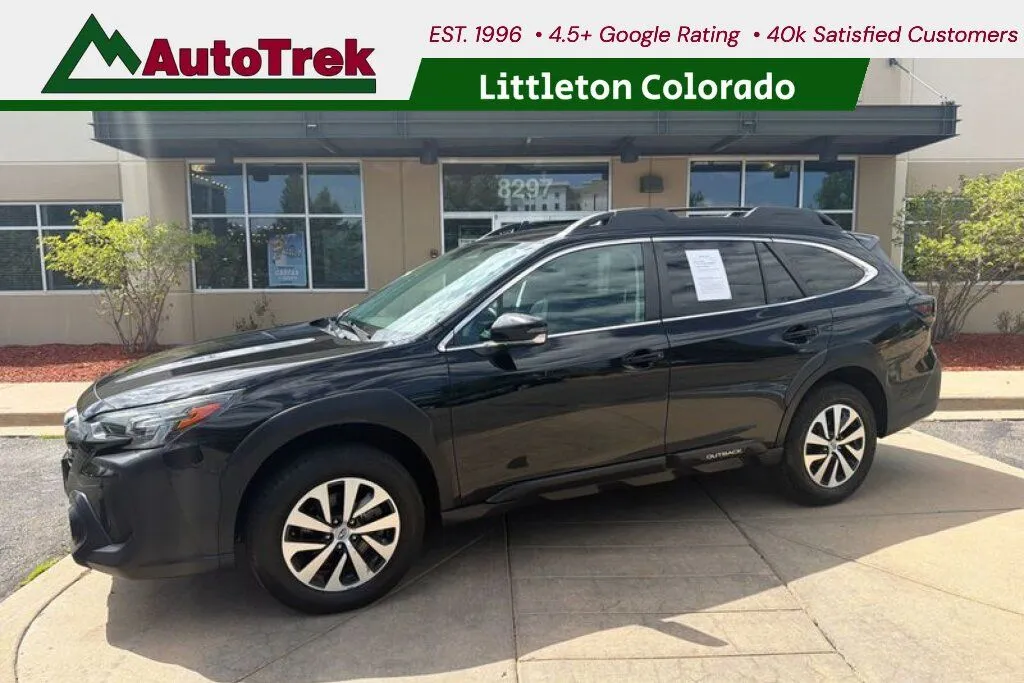
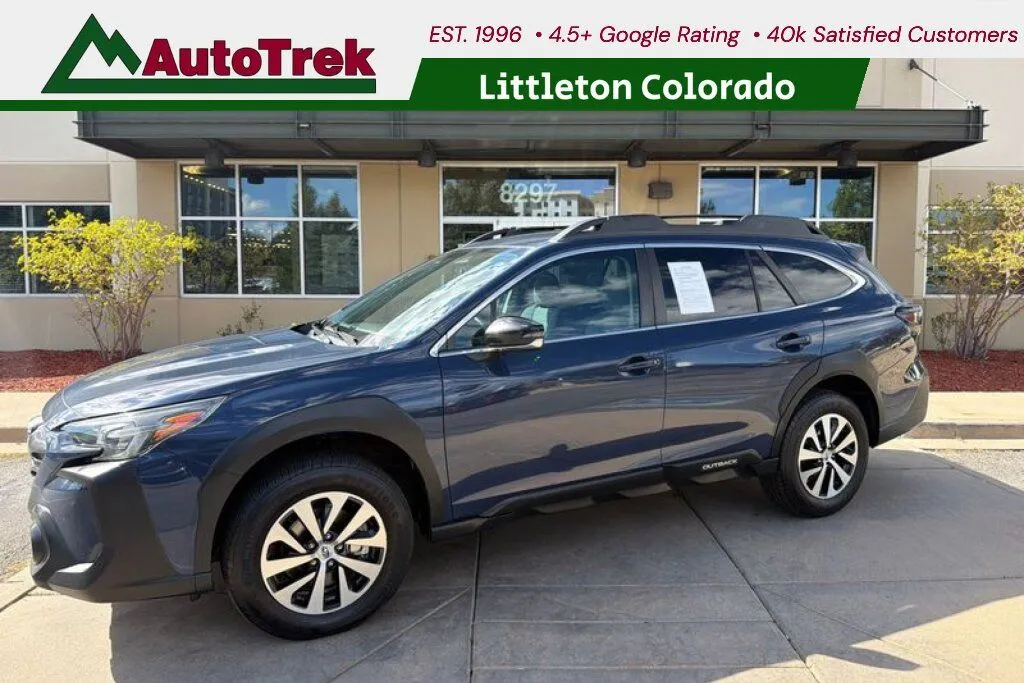
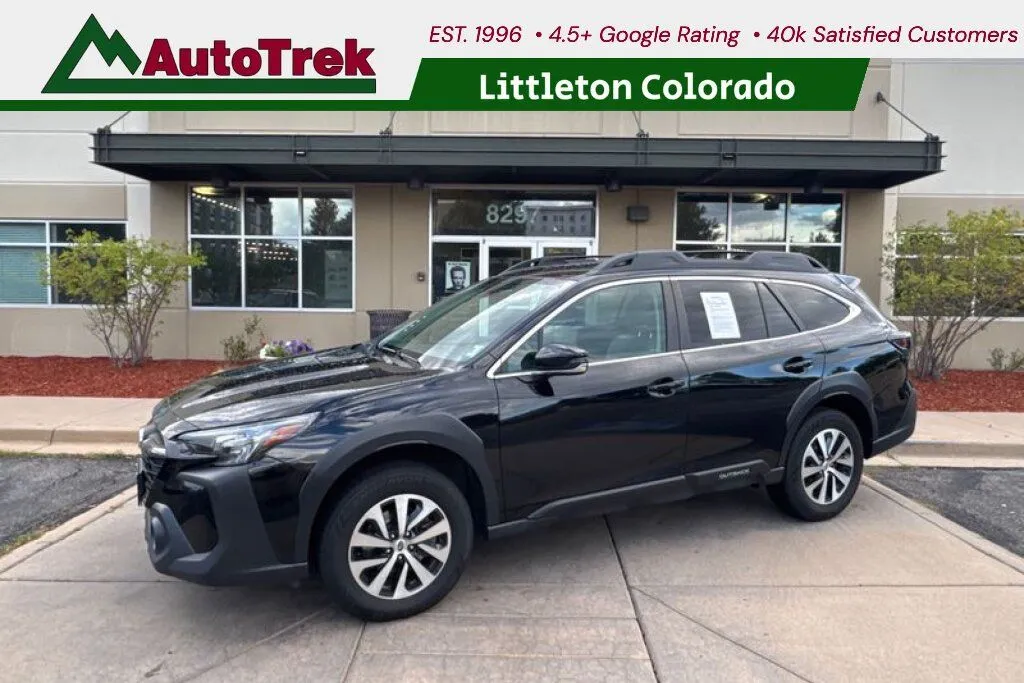
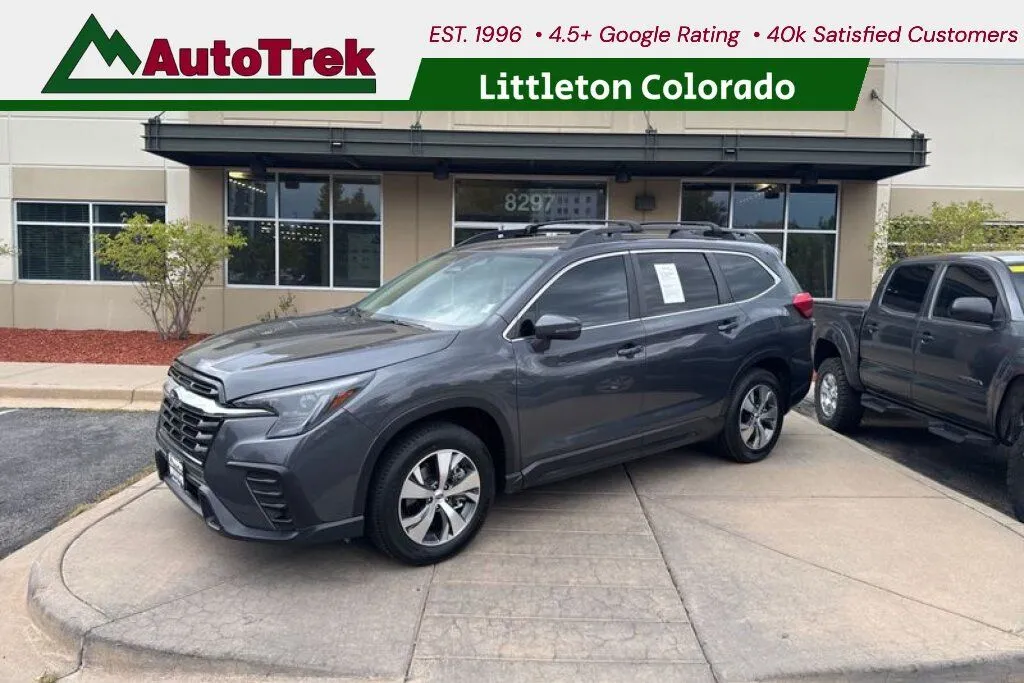
At AutoTrek, we are a local, family-owned used car dealership in Littleton, CO founded in 1996. We started as an Auto Club built around free, practical guidance for smarter car buying and vehicle maintenance. That support still shows up today, from fair pricing guidance to a free CARFAX report if you are considering a private-party purchase.
Ready for a vehicle you can feel good about from day one? Shop our thoroughly inspected used cars, SUVs, and trucks, plus time-saving online credit approval and trade-in tools. If the right fit is not in stock, our vehicle broker services can help track it down. Explore our used car inventory now.