

Driving in winter can be challenging, which is why following winter tips for cars is recommended for safety and reliability. Cold temperatures, snow, and ice affect tires, brakes, and overall vehicle performance.

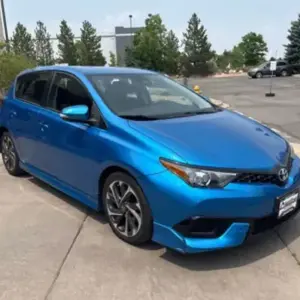
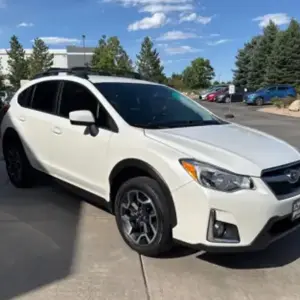
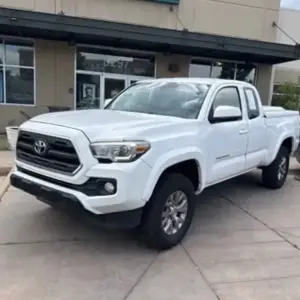
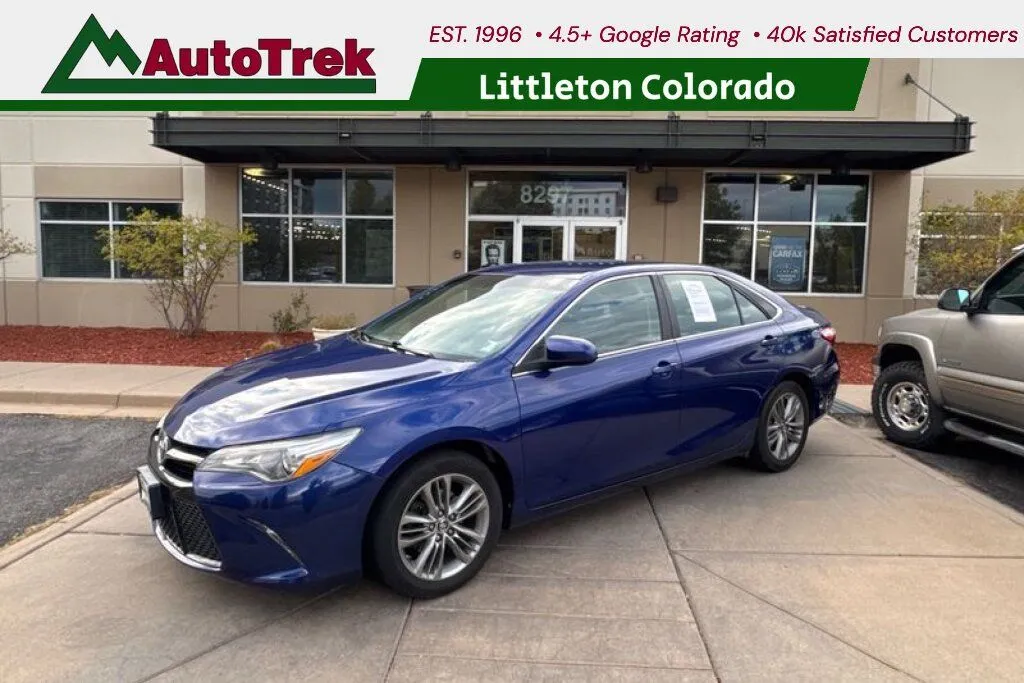
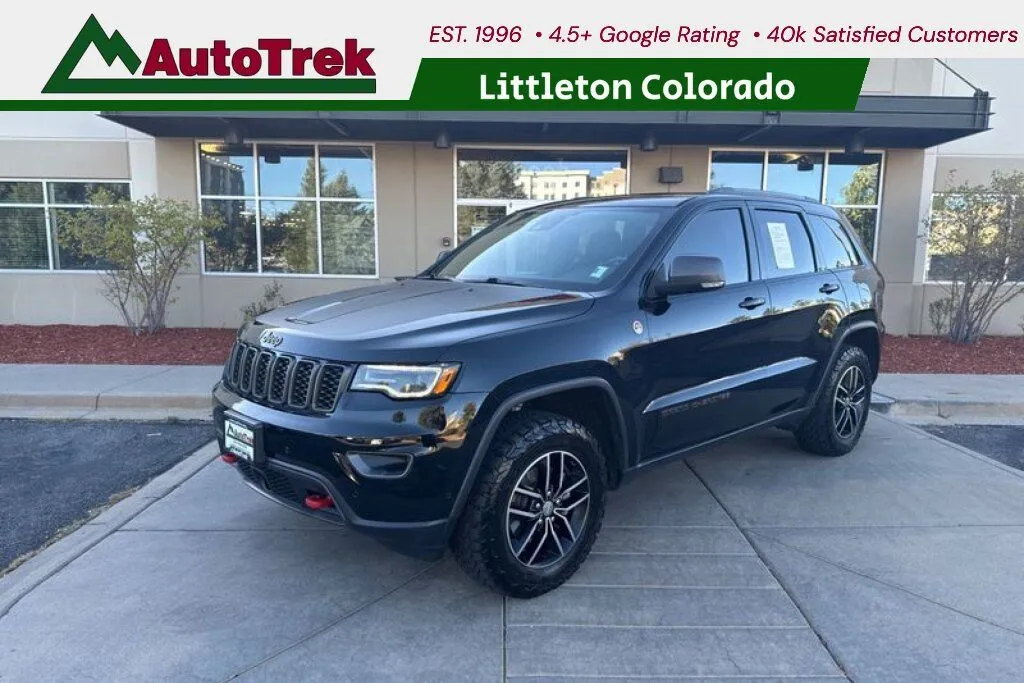
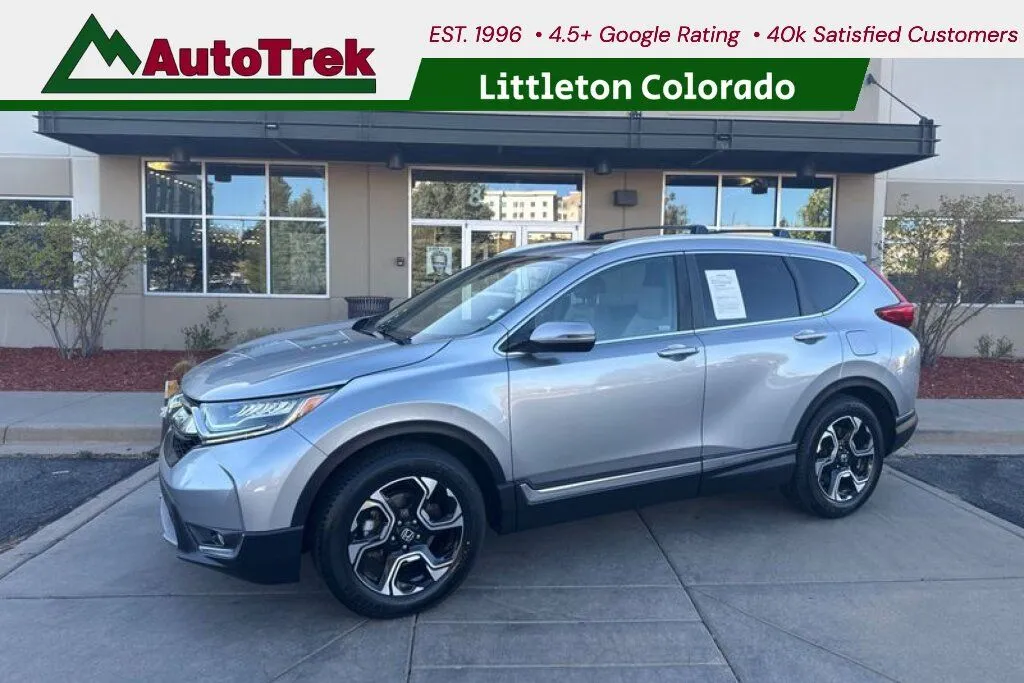
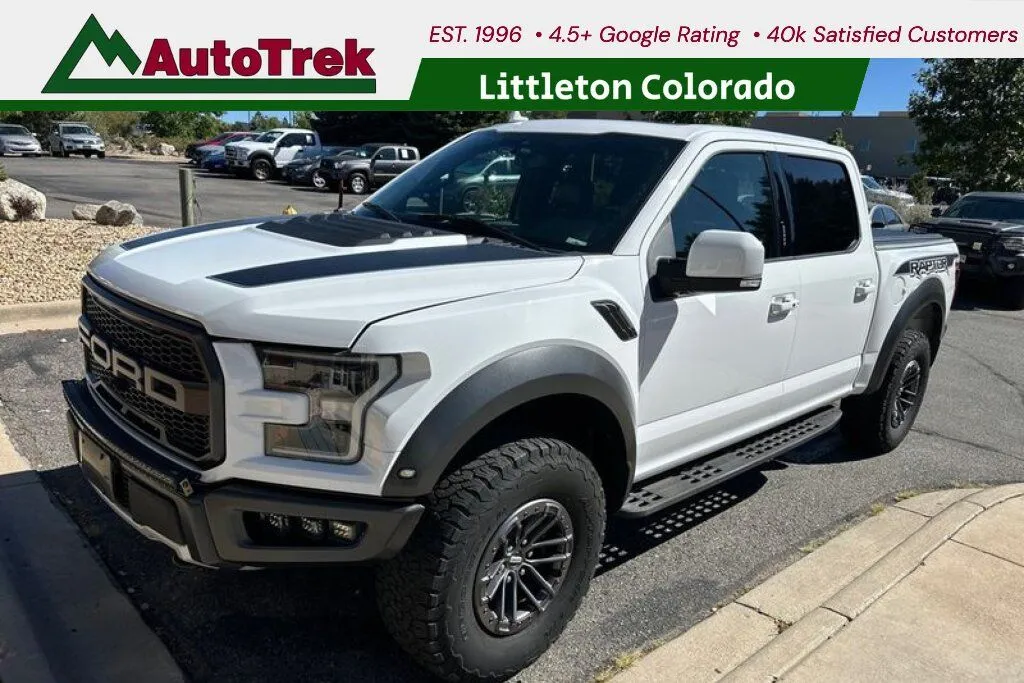
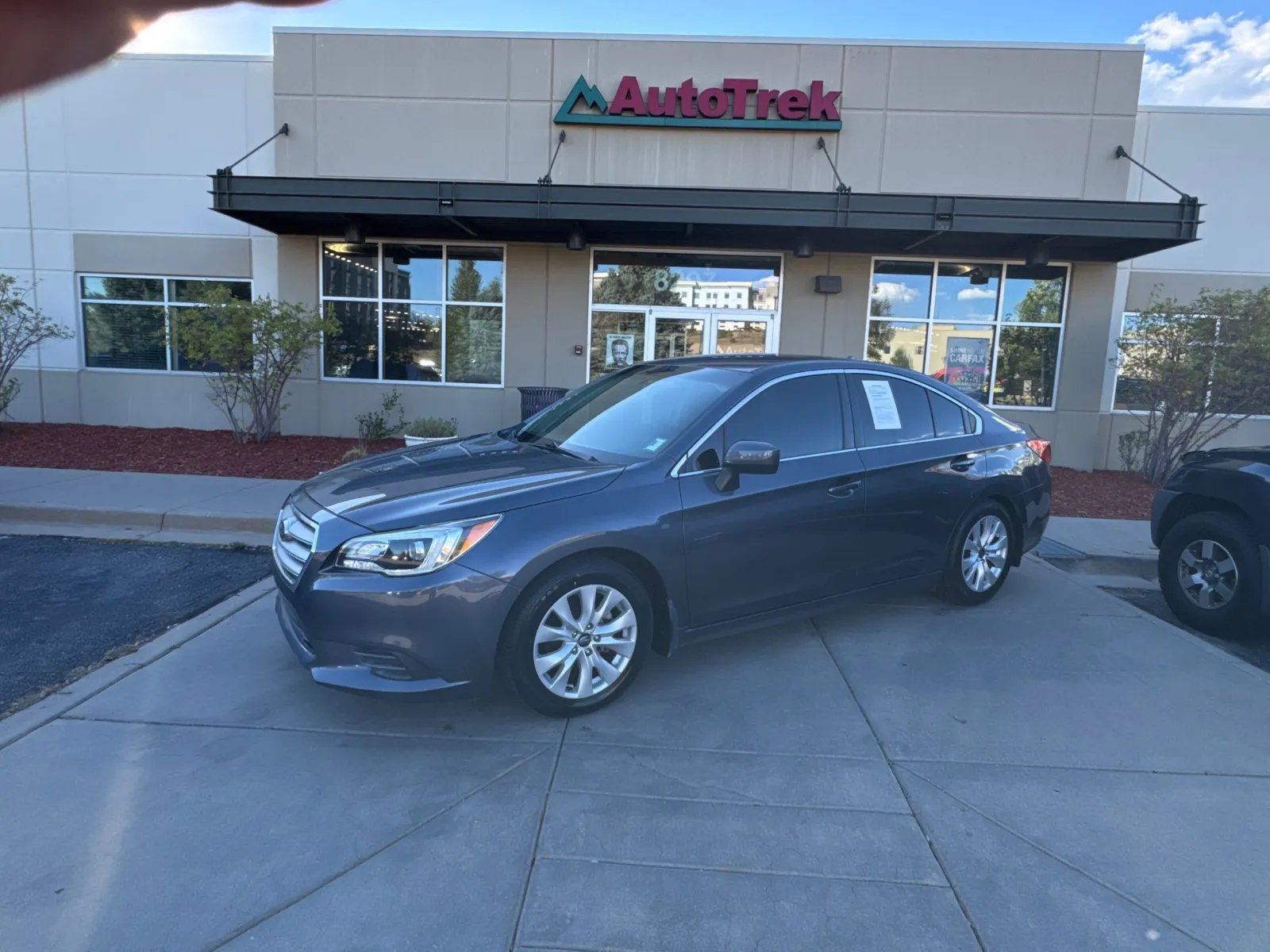
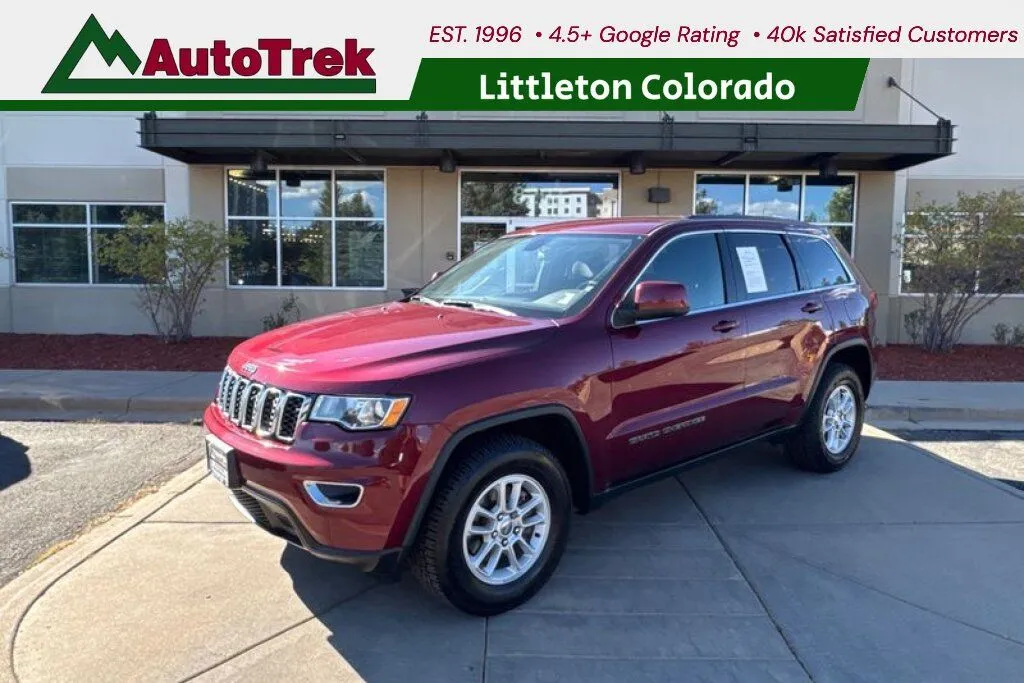
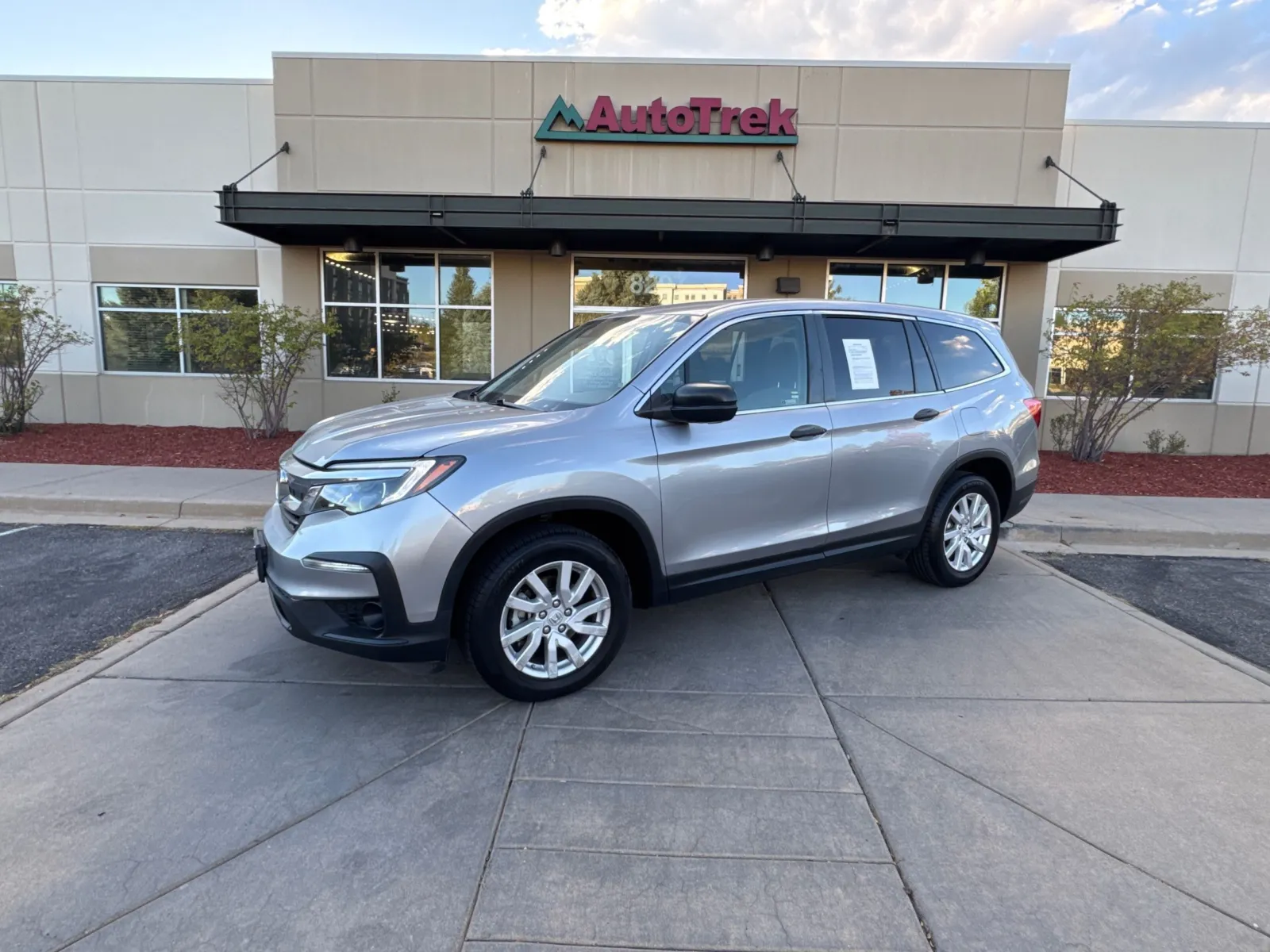
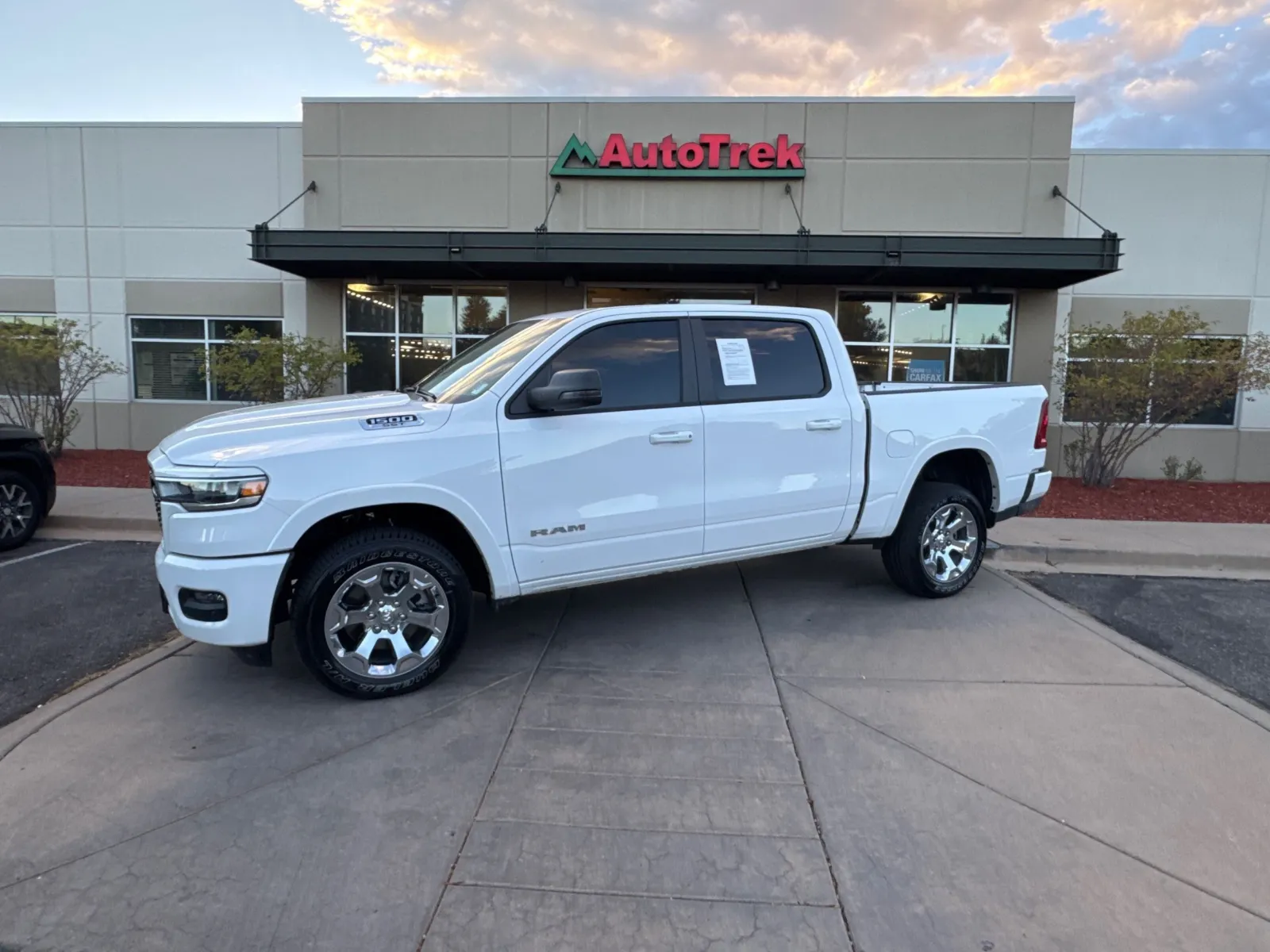
Preparing ahead helps drivers maintain control and avoid accidents. Many people start their search by looking at used cars, trucks and SUVs for sale in Littleton, CO, which gives them a sense of reliable winter-ready options.

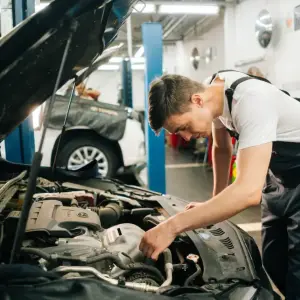
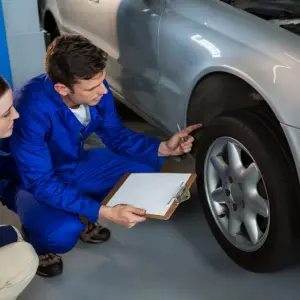
Routine visits to a trusted service center help identify issues before they become serious. Keeping up with regular inspections allows drivers to schedule service appropriately and maintain confidence behind the wheel.

Planning for future upgrades or sales also matters. Evaluating options for selling your car helps support better financial decisions during the winter months.

Winter affects every area of vehicle operation. From battery performance to windshield visibility, proactive maintenance protects both the car and passengers. Knowing what systems require attention makes driving safer and reduces costly surprises during cold months.

Inspect Tires and Maintain Proper Pressure

Tires are the first line of defense against slippery conditions. Winter tires improve traction, braking, and handling on snow or ice. Checking tread depth and replacing worn tires increases safety.

Tire pressure fluctuates with temperature, so drivers should monitor it regularly. Underinflated or overinflated tires reduce contact with the road and increase stopping distance.

Following manufacturer-recommended pressure levels supports predictable handling and improves vehicle control in winter conditions.

All-season tires offer moderate winter performance, but dedicated snow tires provide the best grip in extreme conditions. Rotating tires according to service intervals helps even wear and extends lifespan, reducing overall maintenance costs.

Maintain Battery Health

Cold temperatures reduce battery efficiency, making it harder to start engines. Testing battery voltage and condition before winter prevents unexpected failures. Cleaning terminals and connections avoids corrosion that could impede current flow.

Drivers who plan ahead may also consider a higher-capacity battery if they live in particularly cold regions. Replacing an aging battery proactively reduces the risk of being stranded during freezing temperatures.

Keeping a portable jump starter in the vehicle adds an extra layer of protection. It allows drivers to start the car independently without waiting for roadside assistance, which is especially helpful in remote areas.

Check Fluid Levels and Quality

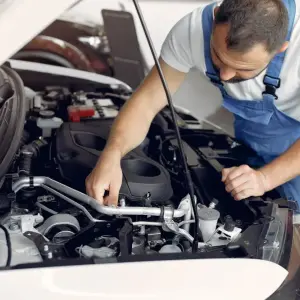
Fluids behave differently in cold weather. Engine oil thickens, reducing circulation; coolant protects against freezing and overheating; windshield washer fluid must resist freezing to maintain visibility.

Inspecting and topping off fluids helps prevent mechanical damage and supports reliable performance. Using winter-grade oils and additives can improve operation in frigid temperatures, while replacing old coolant prevents ice formation in the engine block.

Brake fluid, transmission fluid, and power steering fluid should also be reviewed to maintain safe operation and prevent component wear.

Drivers should also carry extra fluids in the car in case of emergencies. Keeping an accessible bottle of washer fluid and a small container of coolant adds peace of mind during long trips or unexpected weather events.

Inspect Brakes and Suspension

Brakes are of the utmost importance for winter safety. Inspecting pads, rotors, and calipers before snow or ice hits helps provide proper stopping power. Suspension components, including shocks and struts, influence tire contact and vehicle stability on slick surfaces.

Worn suspension parts can reduce traction and increase the risk of skidding or loss of control. Scheduling inspection and replacement of aging parts helps maintain stable handling on slick or icy roads.

Brake performance can be influenced by temperature and moisture. Driving slowly over ice-covered roads allows brakes to function efficiently and prevents wheel lockup.

Keep Visibility Clear

Windshield wipers and defrosters are often overlooked but play an important role in winter safety. Replacing worn wipers ensures clear visibility during snow, sleet, and rain. Checking heater and defroster operation helps keep the windshield and side windows free from frost.

De-icing tools, including scrapers and sprays, prevent ice build-up before driving. Properly maintained lighting, including headlights and taillights, also improves visibility in low-light winter conditions.

Cleaning windows and mirrors regularly prevents snow and ice from creating blind spots. Drivers should also consider anti-fog sprays for interior glass to maintain visibility in changing temperatures.

Prepare Emergency Supplies

Winter emergencies require preparation. Keeping blankets, a first-aid kit, water, snacks, and a flashlight in the car helps drivers handle unexpected delays. Snow shovels, ice scrapers, and traction aids like sand or kitty litter increase mobility if stuck.

Extra clothing, gloves, and boots add comfort and safety during roadside situations. Planning for emergencies helps drivers respond quickly and confidently in harsh winter conditions.

Emergency supplies also reduce stress when traveling alone in remote areas. Being prepared can prevent minor issues from escalating into dangerous situations.

Maintain Heating and Ventilation Systems

Cabin comfort and defrosting efficiency rely on properly functioning heating and ventilation systems. Testing heaters, defrosters, and climate controls before winter helps the vehicle remain comfortable and safe.

Replacing clogged filters improves airflow and supports efficient heating. Proper operation of these systems contributes to clear visibility and a safer driving environment, especially during long winter trips.

Running the heater periodically in cold mornings before departure prevents fog from forming quickly and keeps windows clear during initial driving.

Fuel Management Tips

Cold weather can reduce fuel efficiency. Keeping the fuel tank at least half full prevents condensation from forming in the tank, which could freeze and damage fuel lines. Short trips combined with cold starts put extra strain on the engine.

Planning routes to minimize repeated cold starts reduces wear and improves reliability. Choosing appropriate fuel blends for winter conditions enhances combustion efficiency and reduces the chance of engine issues during freezing temperatures.

Adding a small fuel-line antifreeze additive can protect older vehicles from minor freezing or icing problems. Using fuel rated for winter conditions keeps combustion smooth and consistent.

Planning Routes and Driving Habits

Slippery roads require careful driving. Slowing down, maintaining longer following distances, and anticipating turns reduces accident risk. Drivers should avoid sudden braking, acceleration, or sharp steering maneuvers.

Planning routes along well-maintained roads, avoiding steep hills or unplowed areas, improves safety. Real-time weather and traffic updates assist in selecting the safest path and timing trips to reduce exposure to harsh conditions.

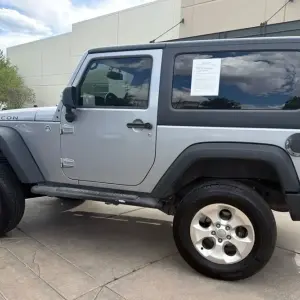
Using four-wheel-drive systems appropriately helps maintain control in deep snow or uneven terrain. Drivers should practice using these features before encountering extreme situations.

How AutoTrek Supports Winter Vehicle Safety

AutoTrek guides customers on winter vehicle preparation and supports safe cold-weather driving. Our team inspects systems that influence winter performance, including tires, brakes, batteries, and fluids.

Customers can visit our service center to have their car reviewed before winter arrives. We also help drivers who are interested in used cars, trucks, and SUVs for sale in Littleton, CO, so they select vehicles capable of performing safely during harsh weather.

We assist with scheduling regular maintenance to schedule service at convenient times and provide advice on long-term vehicle care. If a customer wants to sell their car before purchasing a winter-ready vehicle, we offer guidance and fair evaluation.

Our approach prioritizes safety, comfort, and confidence so drivers can face winter roads without worry.

If you have any questions about AutoTrek or want assistance preparing your car for winter, please feel free to get in touch with us today.